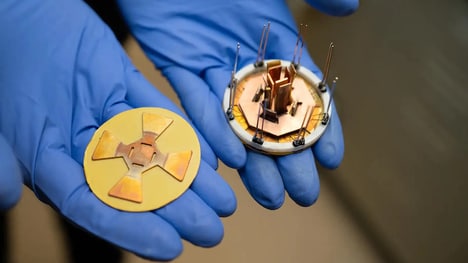
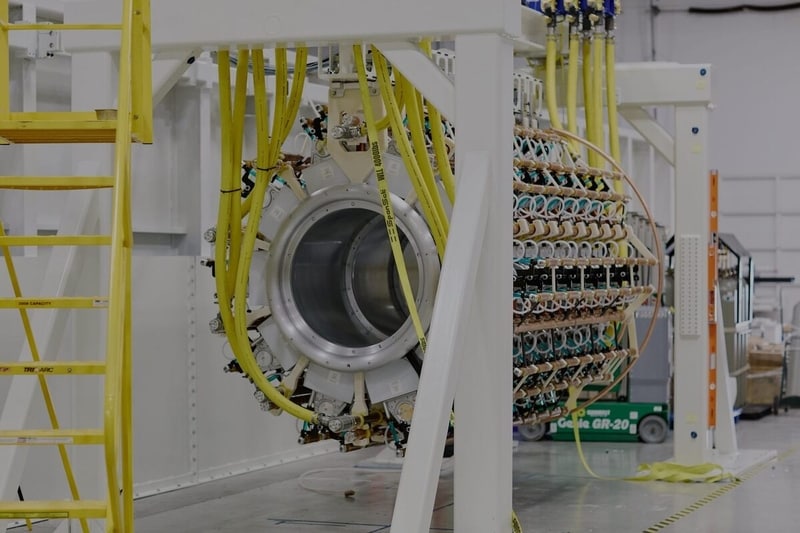
Manufacturable fusion infrastructure is reshaping how next-generation energy technologies move from research environments toward commercial deployment. Pacific Fusion's approach focuses on creating modular, factory-built systems that can be produced at scale rather than relying on highly customized, one-off facilities. By emphasizing standardized components, replicable engineering processes, and mass-manufacturing principles, the company aims to address one of the biggest challenges facing fusion energy: scalability. This model could help accelerate development timelines while improving consistency, efficiency, and deployment potential across future energy projects.
For the energy sector, this shift highlights a growing focus on industrialization alongside scientific advancement. Companies developing complex technologies are increasingly prioritizing manufacturability and supply-chain readiness from the outset. If successful, modular fusion architectures could reduce production costs, attract greater investment, and create new opportunities for partnerships across manufacturing, infrastructure, and energy industries. The strategy signals a broader move toward commercially viable clean-energy ecosystems designed for long-term growth.
Image Credit: Pacific Fusion
Key Themes Behind This Trend
- Factory-built Fusion
- Standardized fusion modules introduce a path for clean-energy systems to scale through repeatable production rather than bespoke infrastructure development.
- Modular Energy Infrastructure
- Prefabricated power architectures create new commercial potential for faster deployment, lower project complexity, and more flexible grid integration.
- Manufacturable Deep Tech
- Complex scientific breakthroughs gain stronger market viability when engineering, supply chains, and production systems are designed for replication from the outset.
Where This Applies
- Clean Energy
- Fusion systems built around scalable manufacturing models could expand the competitive landscape for zero-carbon baseload power generation.
- Advanced Manufacturing
- Precision production networks stand to become essential enablers of high-volume energy hardware, specialized components, and standardized industrial platforms.
- Energy Infrastructure
- Next-generation power projects may shift toward modular deployment models that reduce construction risk while supporting distributed and utility-scale applications.