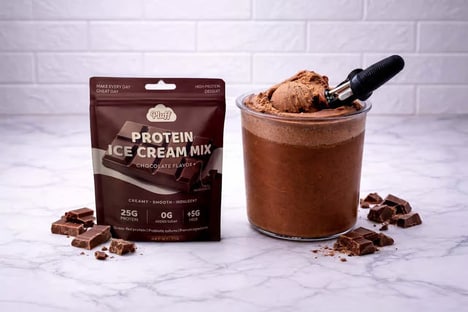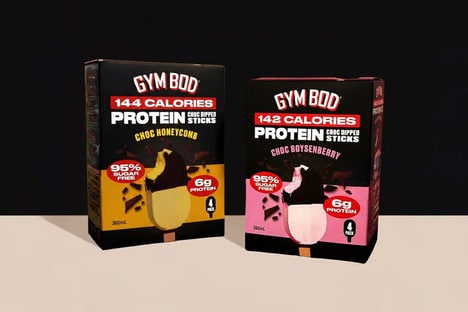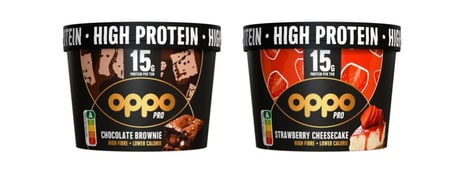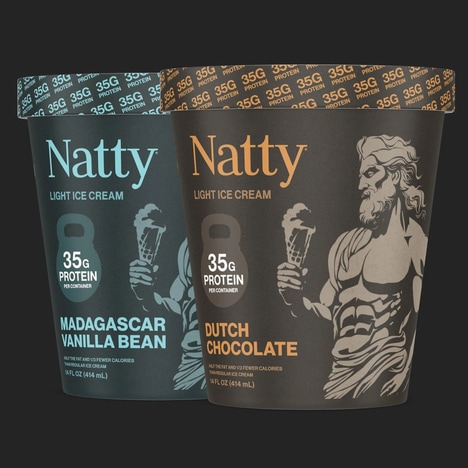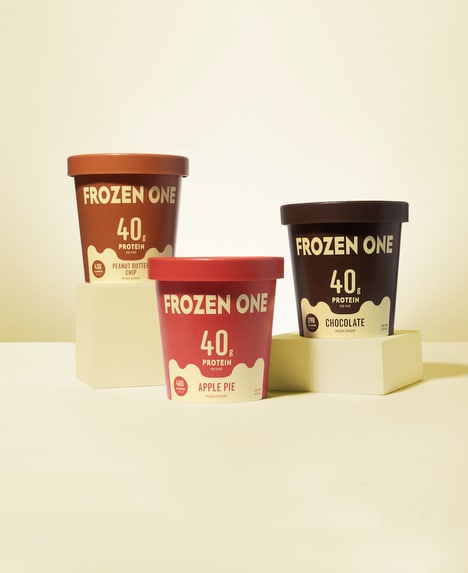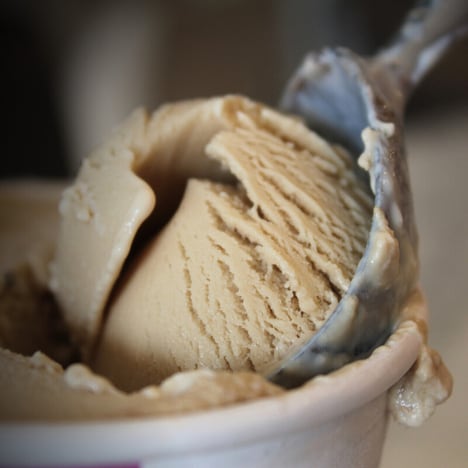
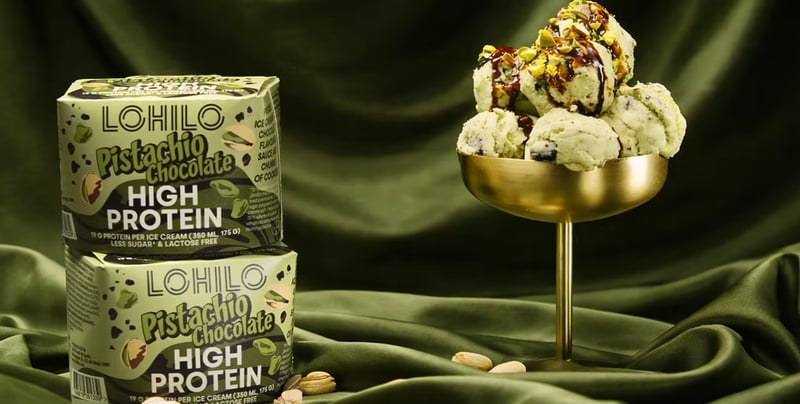
Lohilo prides itself on creating "the most delicious way of adding protein to your lifestyle," and its newest flavor, Lohilo Pistachio Chocolate, delivers 19 grams of protein alongside a decadent, chocolate-flavored sauce and cookie chunks. Made with a base of skimmed milk and whey protein concentrate, the protein Pistachio Chocolate ice cream incorporates an in-demand ingredient—pistachio paste—plus a handful of other additions for formula stability, color and flavor.
Meeting daily protein goals can be challenging, which is why protein ice cream strikes a chord, turning a tedious part of a nutrition routine into a treat. Lohilo Pistachio Chocolate joins a flavorful protein ice cream range that offers flavors to suit every preference, from tropical and fruity to crowd-pleasing cookie dough and naturally divisive salty licorice.
Key Themes Behind This Trend
- Protein-enriched Indulgent Treats
- Blending high protein levels with decadent textures and inclusions creates opportunities to reconceive snack moments as both pleasurable and nutritionally targeted.
- Functional Flavor Diversification
- Rapid expansion of unconventional flavors—from pistachio to salty licorice—enables distinct positioning that rivals can use to segment consumers by taste preference and lifestyle goals.
- Premium Nut-paste Integration
- Premium ingredients like pistachio paste paired with protein bases open new pathways for perceived premiumization and clean-label storytelling in ready-to-eat frozen desserts.
Where This Applies
- Dairy and Frozen Desserts
- Traditional frozen dessert manufacturers face a shift toward high-protein, low-calorie formulations that could upend conventional product portfolios and pricing models.
- Sports Nutrition and Supplements
- Performance-nutrition brands are increasingly extending beyond powders into indulgent formats, creating a chance to reframe recovery and protein consumption as enjoyable daily rituals.
- Ingredient Supply and Food Formulation
- Specialty suppliers of nut pastes, functional proteins and stabilizers are positioned to influence product differentiation through novel textures, cost structures and label claims.