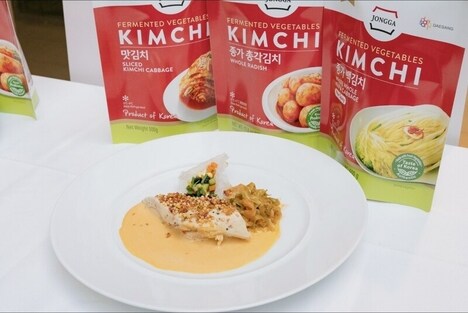
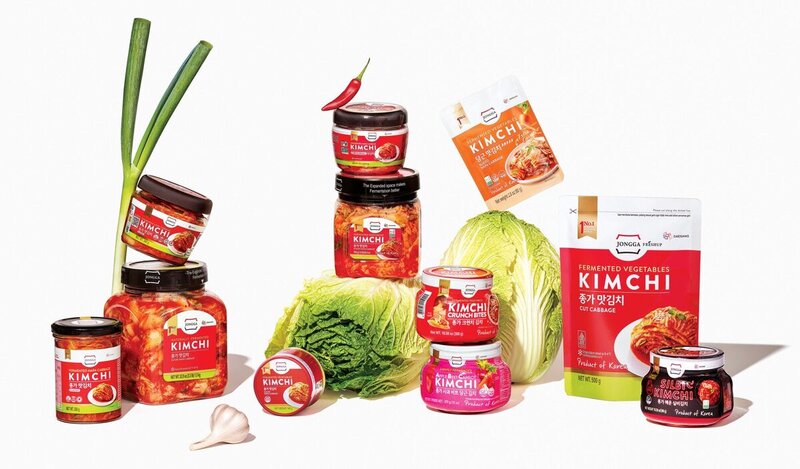
Daesang is expanding Jongga kimchi's availability in the United States to make the fermented staple easier to buy for everyday meals, backing the brand with local production and a wider presence on mainstream grocery shelves. The move builds on Jongga's shift beyond Korean grocery stores since 2019 and on the United States becoming the brand's biggest export market.
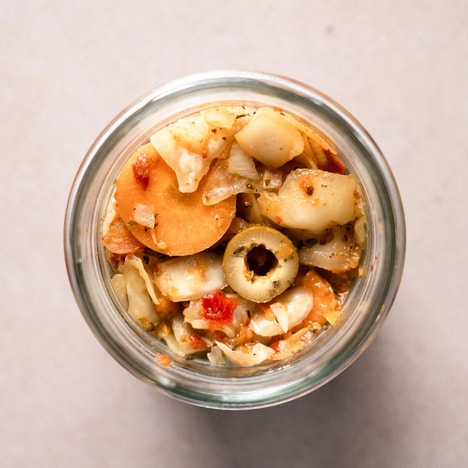
A kimchi spread for bread or crackers gives shoppers an easier on-ramp than a traditional side dish, while white kimchi offers a gentler entry for those who want less intensity. Those choices position kimchi as a flexible fridge staple that works for quick lunches and snacking, not just alongside a full meal.
For retailers, that turns kimchi into a refrigerated category with more than one entry point. It can sit closer to spreads, snacks, or meal add-ons instead of reading as a specialty purchase alone.
Image Credit: The Shelby Report
Key Themes Behind This Trend
- Mainstream Fermented Spreads
- Fermented foods are moving into familiar formats like spreads, creating openings for brands to translate culturally specific staples into everyday snacking and lunch occasions.
- Accessible Global Flavors
- Milder variants and simplified use cases are lowering barriers for shoppers, allowing global food brands to broaden appeal without abandoning authentic category cues.
- Refrigerated Snack Staples
- Retailers are seeing refrigerated items evolve beyond side dishes into versatile snack and meal enhancers, expanding merchandising potential across multiple store zones.
Where This Applies
- Grocery Retail
- Mainstream shelf placement for global staples is reshaping refrigerated merchandising, with cross-category positioning creating new pathways for trial and repeat purchase.
- Packaged Foods
- Flavor-forward packaged products are being reformulated into approachable formats, giving manufacturers room to extend traditional foods into high-frequency consumption moments.
- Fermented Foods
- The fermented food market is broadening from niche health and ethnic aisles into convenient everyday products, signaling growth potential for accessible formats and flavor intensities.