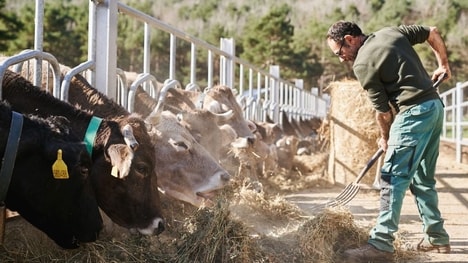
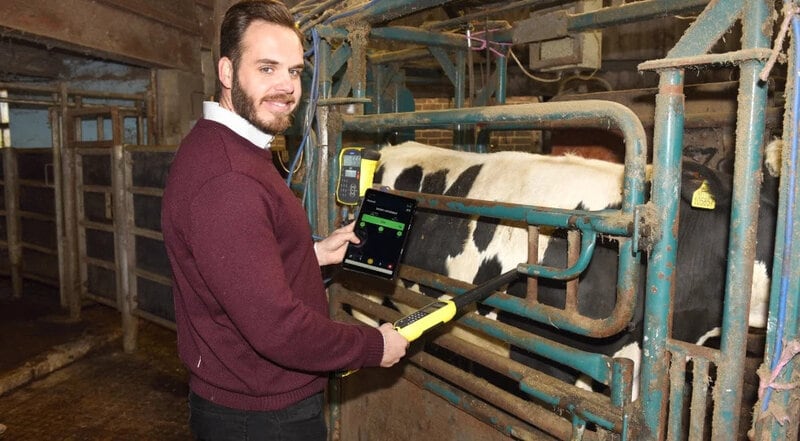
Breedr, a precision livestock tracking and analytics tool, closed a $27 million Series B funding round led by Partech's impact fund, with participation from Latitude and Outsiders Fund, bringing total funding to $46.6 million to expand its digital cattle record platform. The company gives every animal a digital record that tracks weight, health and family history across the three or four farms and ranches the typical animal passes through during its lifespan.
More than 2 million cattle are already on the platform, with close to $500 million in livestock transacted this year through Breedr's marketplace. Producers using the platform get cattle to market weight up to five months sooner, earning more than $500 per animal while reducing methane output by an estimated 20% to 30% per animal.
Breedr's funding signals how data-driven livestock tracking could help the industry extract more value and efficiency from a shrinking supply.
Image Credit: Breedr
What's Driving This Trend
- Digital Livestock Passports
- Persistent animal records create new value in traceability, compliance, and resale markets by connecting health, weight, lineage, and ownership data across fragmented farm networks.
- Methane-efficient Protein
- Data-led growth optimization introduces premium opportunities around lower-emission beef production, carbon reporting, and climate-aligned procurement for food supply chains.
- Livestock Marketplaces
- Integrated trading platforms reshape cattle commerce by pairing verified animal performance data with transaction infrastructure that can improve pricing confidence and liquidity.
Who This Affects Most
- Agriculture Technology
- Precision analytics platforms are expanding farm productivity models through real-time animal intelligence, predictive weight gain insights, and digitized herd management systems.
- Meat and Livestock
- Beef supply chains gain disruptive potential from verified animal-level histories that support faster finishing, higher margins, and differentiated product claims.
- Climate Tech
- Emissions-aware livestock tools open commercial pathways for measurement, reporting, and reduction technologies tied directly to methane intensity and sustainable protein production.