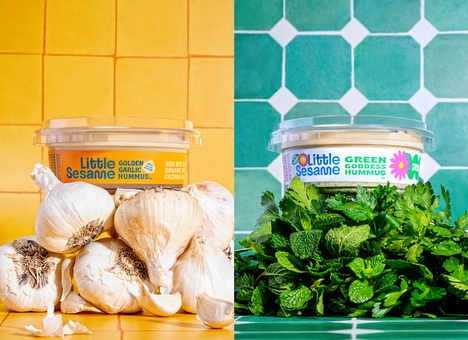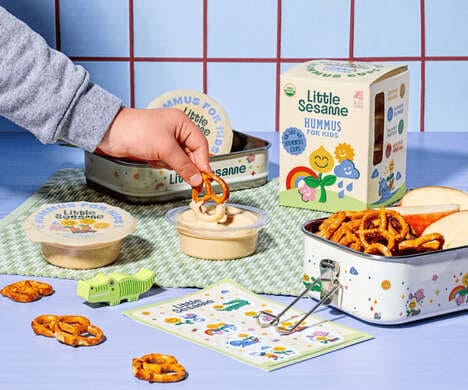

D.C.-based Little Sesame has closed an $8.5 million Series A funding round to dramatically expand its hummus production capabilities. The company, founded by Nick Wiseman and Ronen Tenne, plans to use the investment to build a new manufacturing facility that will boost weekly production from current levels to 400,000 pounds of hummus.
This funding follows a $2.2 million USDA grant Little Sesame received to establish direct supply chains with American chickpea farmers, positioning the brand for vertical integration. The restaurant-to-retail transition represents a growing trend where successful local food concepts leverage their proven recipes and customer loyalty to capture shelf space in mainstream grocery stores. Little Sesame's expansion strategy demonstrates how food brands can scale beyond their original brick-and-mortar footprint while maintaining quality and supply chain control.
What Makes This Trend Stand Out
- Restaurant-to-retail Transitions
- The shift from local dining establishments to retail products highlights opportunities for restaurants to diversify revenue streams by entering the packaged goods market.
- Vertical Integration in Food Production
- Securing direct supply chains with ingredient producers enables food companies to streamline operations and enhance quality control, presenting an innovative edge in product consistency.
- Scaling Through Local Ingredient Sourcing
- Using local agricultural resources not only supports regional farmers but also allows food brands to enhance product authenticity and cater to consumer preferences for locally sourced ingredients.
Sectors Adopting This
- Food Manufacturing
- The expansion of manufacturing capabilities by food brands into large-scale operations can meet increased consumer demand for unique, high-quality products.
- Retail Grocery
- As restaurants enter the retail sector, grocery stores can offer more diverse and innovative products by partnering with these established local food brands.
- Agricultural Supply Chain
- Establishing direct connections with agricultural producers creates potential for developed supply chains that emphasize local procurement and sustainability.