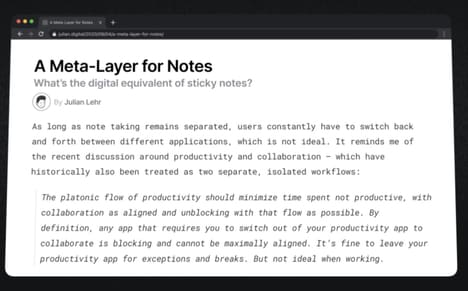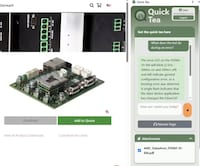

LIRA is a free browser-based productivity tool designed to streamline the study and research process. It enables users to take notes, save content, and ask context-aware questions directly from any webpage without needing to switch tabs.
By right-clicking on text, images, or links, users can either store relevant material for future use or query LIRA for explanations, summaries, or definitions. This tool integrates note-taking with AI-powered Q&A, aiming to reduce cognitive load and friction in digital learning. For students, professionals, and knowledge workers, LIRA enhances workflow efficiency by consolidating research and comprehension into one interface. From a business standpoint, it demonstrates how productivity software is evolving to support real-time learning, reduce tool-switching fatigue, and increase focus—particularly valuable in remote and hybrid education or work environments.
Image Credit: LIRA
What's Driving This Trend
- Integrated Study Tools
- The rise of tools like LIRA that merge note-taking with AI-driven question-answering systems illustrates a shift toward more integrated study and research solutions.
- AI-powered Learning Assistance
- AI-powered systems transforming traditional study methods by providing context-aware interactions and real-time information processing exemplify the changing landscape of digital learning.
- Frictionless Research Interfaces
- The development of seamless interfaces that allow users to gather and interact with information without the hassle of switching between multiple applications showcases a leap toward minimizing digital distractions.
Who This Affects Most
- Edtech
- Incorporating LIRA's contextual study and research capabilities reflects an edtech industry push toward smarter, more interconnected educational tools.
- AI and Machine Learning
- LIRA's functionality, which augments traditional methods with AI-driven insights, highlights advancements in AI and machine learning technologies.
- Remote Work Technology
- The evolution of tools like LIRA that cater to remote workers' need for efficient multitasking and reduced cognitive load indicates significant changes in remote work technologies.