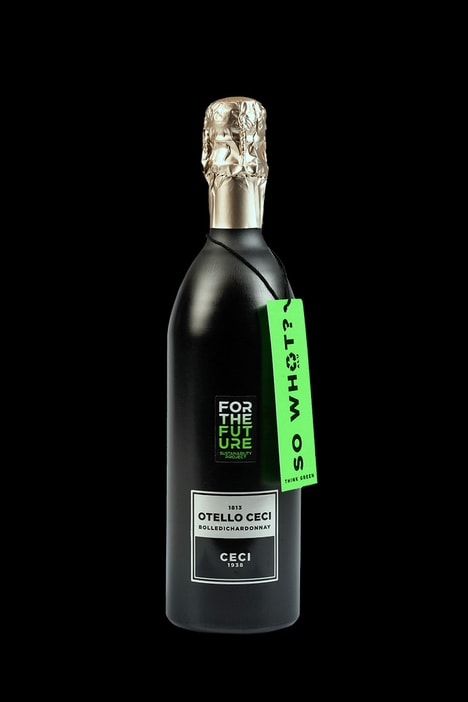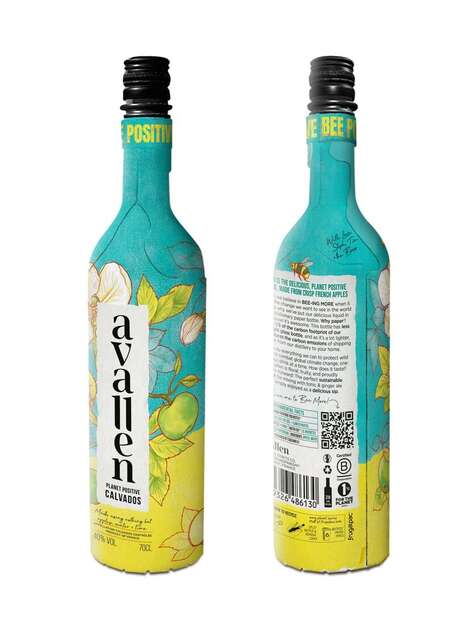

Bottle manufacturing accounts for almost 30% of Champagne's carbon footprint, and Champagne Telmont introduced a super-lightweight champagne bottle to the United States market that reduces carbon emissions by 4% per bottle. This first-of-its-kind ultra-lightweight standard champagne bottle weighs just 800 grams (1.76 pounds,) challenging the standard bottle weight that has remained unchanged at 835 grams for more than two decades.
This innovation developed in partnership with French glassmaker Verallia maintains the classic look and pressure resistance, and needs no modifications to production processes or existing manufacturing equipment.
From from 2025 onward, 100% of Telmont bottles will be produced at this new, lighter weight. If adopted industry-wide, Telmont's innovative bottle has the potential to eliminate 8,000 tons of CO2 emissions annually.
Key Themes Behind This Trend
- Sustainable Packaging Solutions
- The development and adoption of ultra-lightweight bottles highlight the growing trend towards eco-friendly packaging in the beverage industry.
- Carbon Footprint Reduction
- Efforts to reduce carbon emissions through lightweight bottle production emphasize a trend toward environmental responsibility in manufacturing.
- Collaborative Innovation in Manufacturing
- Partnerships between brands and suppliers, like Telmont's collaboration with Verallia, underscore a trend of co-innovation to achieve sustainability goals.
Where This Applies
- Beverage Industry
- The shift to lighter bottles creates transformative opportunities within the beverage sector for reducing environmental impact.
- Glass Manufacturing
- The introduction of lighter champagne bottles presents a significant opportunity for glass manufacturers to innovate in eco-friendly production processes.
- Sustainability Consulting
- The growing interest in reducing carbon footprints encourages the sustainability consulting industry to provide guidance and strategies for adopting eco-conscious practices.