Illegible and legible typefaces vastly differs across the spectrum. In majority of the cases, however, the way the typeface manifests itself on the page or on the screen is to serve the purposes of aesthetic or to facilitate a seamless reading experience.
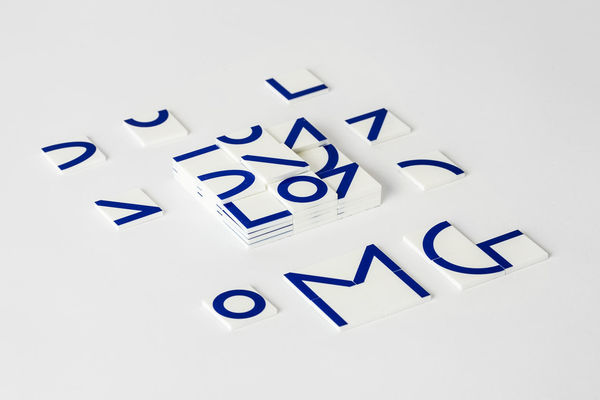
The Braille Institute looks beyond this with the ‘Atkinson Hyperlegible’ -- a new legible typeface that is made with those with serious visual impairment in mind. It is optimized with "intricacies and details" that are meant to resonate and be of use to those who experience difficulty.
The legible typeface was created in partnership with Applied Design Works -- a design firm that was tasked with reimagining the identity of the Braille Institute.
Photo Credits: Applied Design Works/ Thr Braille Institute
What's Driving This Trend
- Inclusive Typeface Design
- Designing typefaces with consideration for individuals with visual impairment presents an opportunity for innovation in typography.
- Accessibility-focused Branding
- Reimagining branding with a focus on accessibility can lead to innovative and inclusive design solutions.
- Hyperlegible Technology
- The development of hyperlegible technology presents an opportunity for innovation in tech to make reading easier for individuals with visual impairment.
Who This Affects Most
- Graphic Design
- Graphic design firms can innovate and differentiate themselves by creating typefaces and branding solutions with a focus on accessibility.
- Technology
- Tech companies can create innovative products with a focus on accessibility, such as dynamic typefaces that adjust for individuals with visual impairment.
- Non-profit
- Non-profit organizations can differentiate their brands by creating branding and marketing that conveys a focus on inclusivity, such as partnering with design firms to create hyperlegible typefaces.