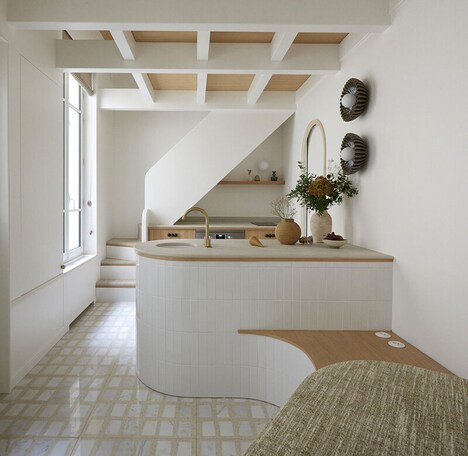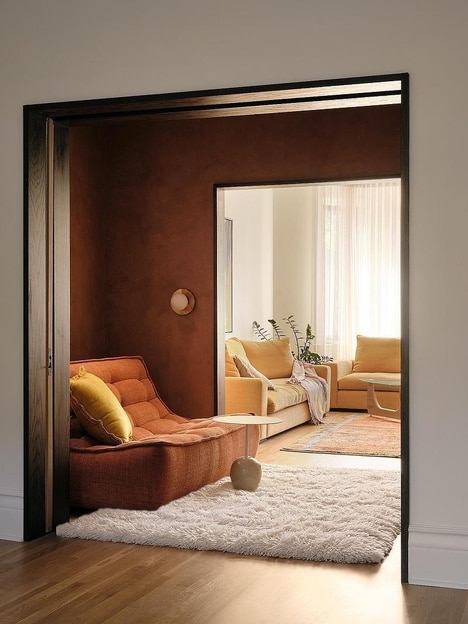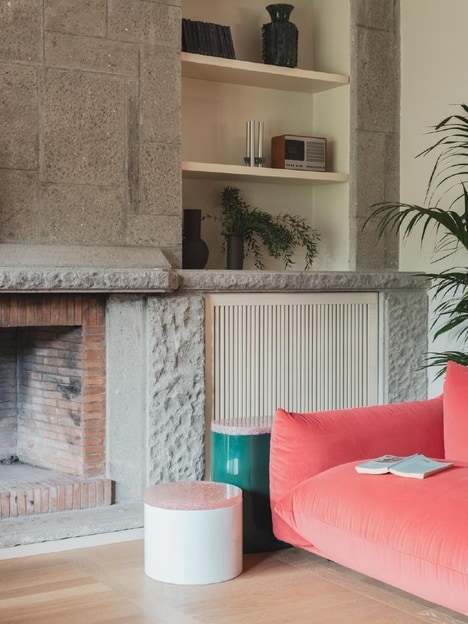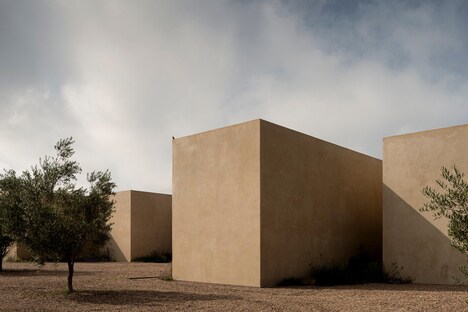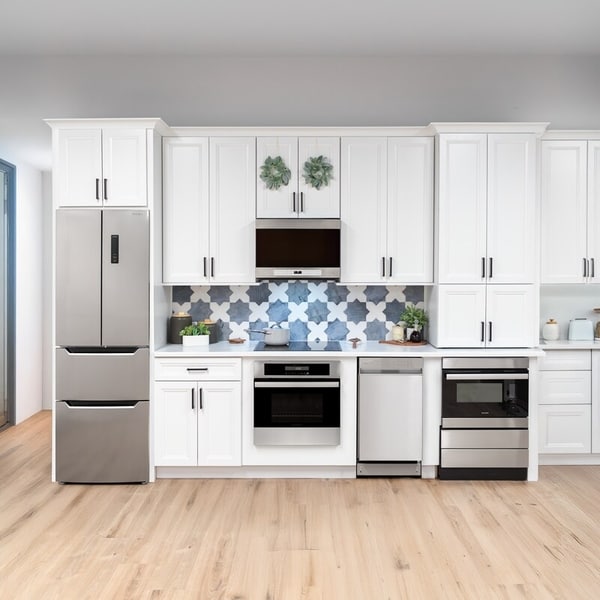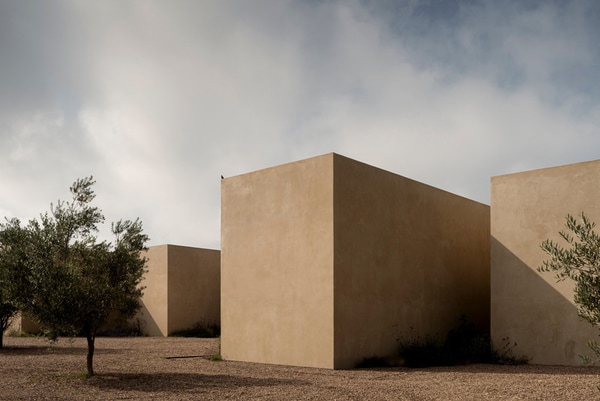
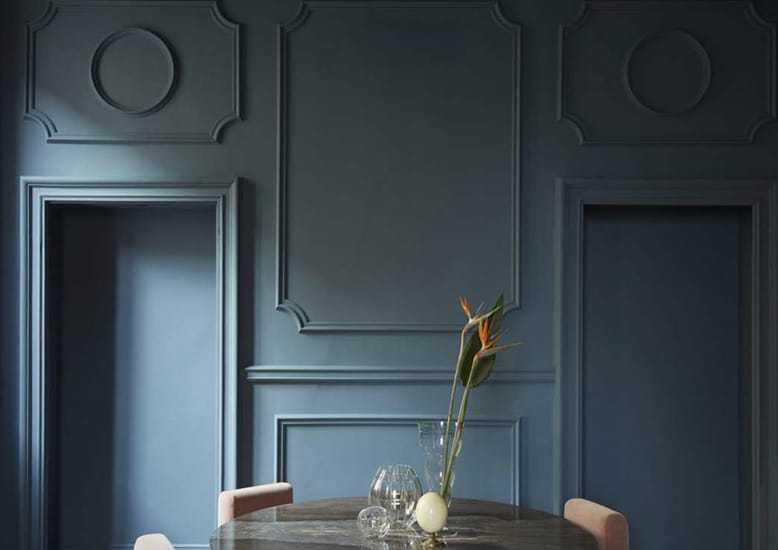
La Casa di Babette is a Milan-based interior design studio founded by architects Cinzia Russo and Fabio Inzani. The firm operates from a historic location opposite Santa Maria delle Grazie where the studio functions as both a design practice and a wunderkammer filled with hand-painted wallpapers, rare fabrics, and unusual objects.
La Casa di Babette's approach begins with deep listening to residents' spoken and unspoken desires. The architects then shape private residences through refined eclecticism, drawing from Art Deco geometries, American Neoclassicism, the scenographic sensitivity of Mongiardino, the craftsmanship of Alberto Pinto, and the visions of Jean-Michel Frank, Andrée Putman, Dorothy Draper, and Duquette. Amid these complex design inspirations, the studio maintains a private residences through refined eclecticism drawing from Art Deco geometries, American Neoclassicism, the scenographic sensitivity of Mongiardino, the craftsmanship of Alberto Pinto, and the visions of Jean-Michel Frank, Andrée Putman, Dorothy Draper, and Duquette
Image Credit: La Casa di Babette
What's Driving This Trend
- Poetry-driven Aesthetics
- Narrative-rich, poem-inspired interior language creates demand for spaces that prioritize emotional resonance and bespoke symbolism over standardized styling.
- Wunderkammer Retail Experiences
- Curated, cabinet-of-curiosities environments position retail and studio spaces as immersive discovery platforms where rarity and provenance become primary value drivers.
- Eclectic Heritage Fusion
- Layered references to Art Deco, Neoclassicism, and scenographic traditions enable hybrid design vocabularies that challenge mass-market homogeneity.
Who This Affects Most
- Residential Interior Design
- High-end bespoke residential work is shifting toward deeply personalized, narrative-based commissions that prize listening-led concept development and archival materials.
- Luxury Home Furnishings
- Demand for hand-painted wallpapers, rare fabrics, and artisanal objects creates openings for limited-edition, provenance-focused product lines that blur decor and collectible markets.
- Cultural Tourism and Heritage Hospitality
- Historic studio-showroom hybrids and scenographic interiors transform stay-and-visit experiences into cultural performances where location, story, and objects form integrated offerings.