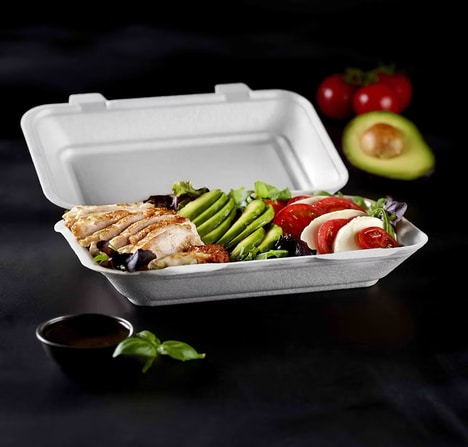
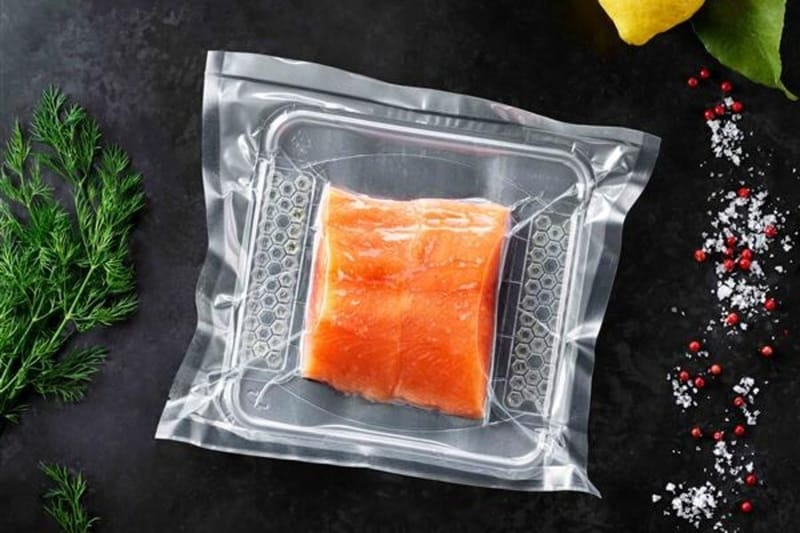
Kp’s Evolve Fish Boards introduce a more efficient approach to vacuum skin packaging by combining recyclability, performance, and cost-conscious design. The mono-material PET structure, which can include up to 100% recycled content, supports compliance with tightening environmental regulations while reducing extended producer responsibility fees across European markets.
For businesses, this solution streamlines both production and logistics. Its lightweight construction and open-flap design improve pallet efficiency, lowering transportation costs and emissions. At the same time, the built-in retention chamber removes the need for absorbent pads and adhesives, simplifying manufacturing and reducing material usage.
Brands also benefit from improved product presentation and hygiene, as the design minimizes leakage and enhances shelf clarity. This positions companies to meet rising consumer expectations for sustainable, clean packaging while maintaining operational efficiency and protecting margins in a competitive food industry.
Image Credit: kp
Why This Trend Is Growing
- Mono-material Recyclable Packaging
- Widespread use of mono-material PET supports more efficient recycling streams and larger-scale closed-loop recovery of packaging materials.
- Integrated Absorbency-free Designs
- Built-in retention chambers that remove absorbent pads reduce component diversity and minimize waste while changing product protection strategies.
- Lightweight Open-flap Logistics Optimization
- Boards engineered for reduced weight and open-flap stacking enable greater pallet density and lower transportation emissions per unit.
Industries Being Reshaped
- Seafood and Fresh Food Retail
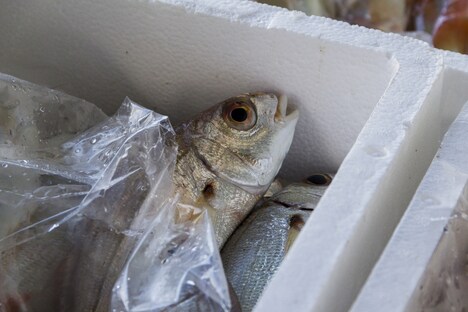
- Improved hygiene and shelf clarity from recyclable fish boards can shift retailer preferences toward packaging that extends display life and lowers spoilage.
- Packaging Manufacturing and Materials
- Rising demand for high-recycled-content PET creates opportunities for new thermoforming and extrusion technologies tailored to mono-material performance.
- Cold Chain Logistics
- Lower-weight, higher-density packaging influences route planning and refrigeration energy use by allowing more efficient load configurations and reduced transport costs.