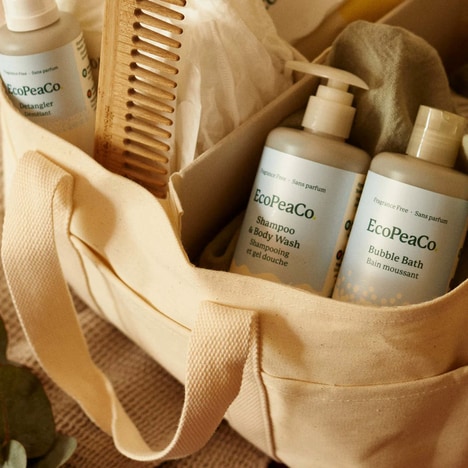
Koala Eco, the botanical wellness enterprise co-founded by Jessica Bragdon and Paul Davidson, spent the previous year expanding its footprint across physical and digital retail channels while simultaneously reinforcing its environmental and ethical commitments. The personal care company intends to continue this trajectory throughout 2026.
Koala Eco has made a name for itself in the market for its cleaning and personal care formulas that rely on Australian-sourced essential oils in place of artificially constructed fragrances. The company experienced serious growth for its product line by being onboarded at Whole Foods Market as a distribution partner for an assortment of home and body offerings. The brand also noted that it "repackaged six million recycled plastic bottles along with keeping 4.3 million liters of conventional, traditionally harsh cleaning products from entering homes and waterways as of end of the year."
Image Credit: Koala Eco
Why This Trend Is Growing
- Sustainable Ingredient Sourcing
- Brands replacing synthetic fragrances with regionally sourced botanicals create opportunities for vertically integrated supply chains and traceable provenance models that can upend commodity-based ingredient markets.
- Recycled Packaging Integration
- A shift toward large-scale use of recycled plastics in refillable and single-use formats opens space for circular packaging platforms and material-innovation players that challenge virgin-plastic supply dynamics.
- Hybrid Retail Expansion
- Growth across both digital and physical channels points to omnichannel service layers and data-driven inventory solutions that could disrupt traditional retail distribution and brand-to-consumer relationships.
Industries Being Reshaped
- Personal Care and Cleaning
- Companies in personal care and household cleaning face product-innovation pressure to replace harsh chemistries with botanical formulations, creating room for novel green chemistries and certification-driven differentiation.
- Retail Distribution and Marketplaces
- Retailers and marketplace operators are positioned to adopt curated sustainability ecosystems and integrated fulfillment models that can redefine assortment curation and supplier partnerships.
- Environmental Services and Waste Management
- Circular-economy firms and waste processors can scale recycled-material recovery and closed-loop logistics solutions that have the potential to disrupt linear packaging disposal and supply chains.