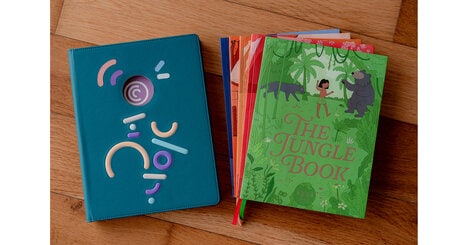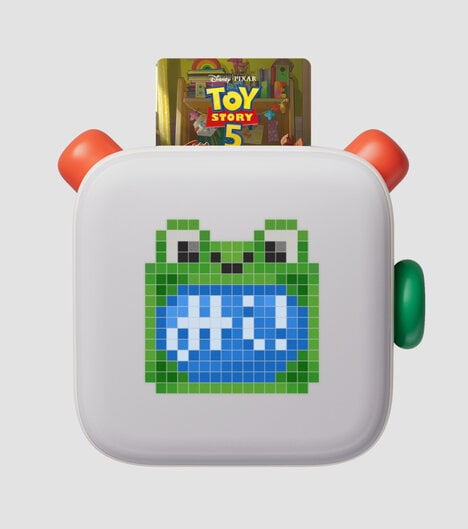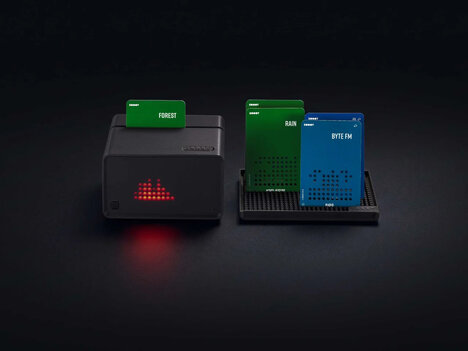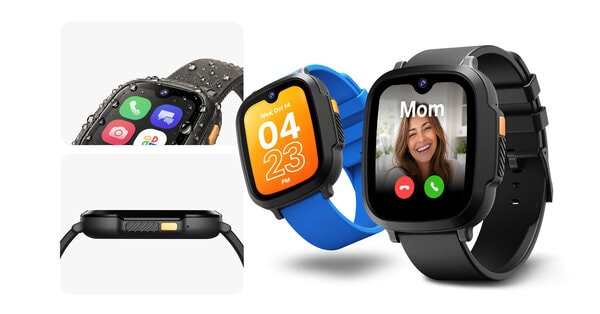
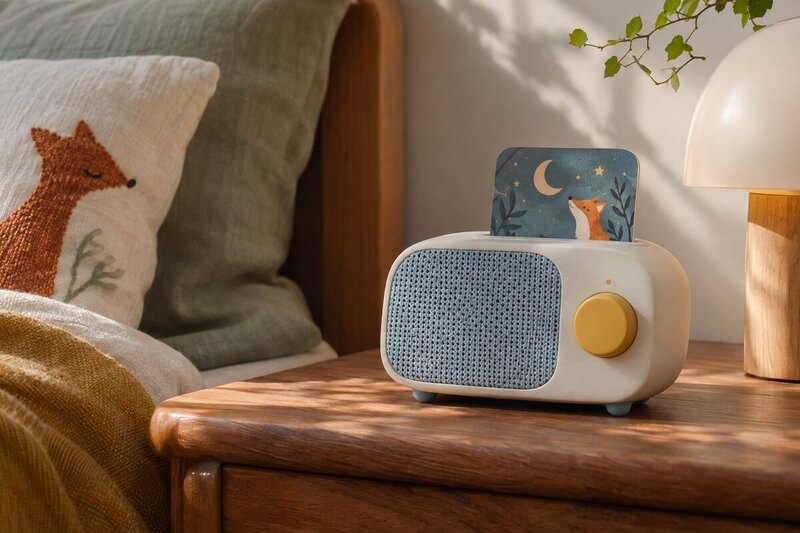
Yoto's fourth-generation audio players are built for kids to start stories on their own, using slot-in cards and simple dials instead of a phone. The line includes a full-size unit for the bedroom and a smaller Mini that keeps the same controls in a travel-ready body.
Both versions last about 16 hours per charge, which covers bedtime use and long trips without frequent charging. The Mini adds IP67 water resistance for messier travel, while the larger player swaps that for wireless charging and fuller sound at home. Parents can also build playlists from owned cards and set timing controls.
Physical audio cards turn children's listening into a hands-on routine, which widens Yoto's appeal for parents who want independence without handing over a smart speaker or phone. The blank card option also opens the system to audio families already own, stretching the format beyond a locked store library.
Why This Trend Is Growing
- Screen-free Audio Independence
- Child-friendly audio devices create space for autonomous entertainment routines while reducing reliance on phones, tablets, and smart speakers.
- Physical-digital Media Hybrids
- Tangible content cards blend collectible play with digital flexibility, expanding opportunities for subscription ecosystems and owned-media personalization.
- Travel-ready Kids Tech
- Durable, portable audio hardware reflects rising demand for family devices that support long trips, messy environments, and offline use.
Industries Being Reshaped
- Children's Entertainment
- Story-based audio platforms introduce new formats for character franchises, educational content, and bedtime media without screen exposure.
- Consumer Electronics
- Purpose-built devices for younger users signal potential in simplified interfaces, parental controls, and ruggedized product design.
- Edtech
- Audio-first learning tools can support literacy, language development, and independent exploration through tactile content systems.