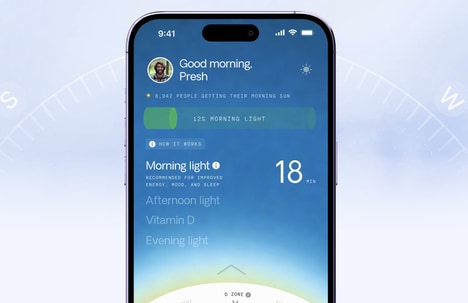
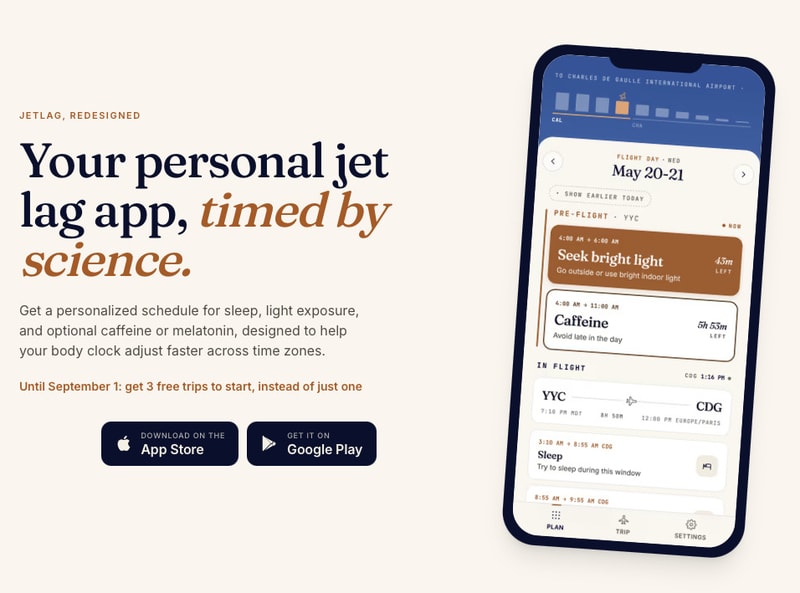
The 'Jetlag Coach' app is a science-influenced tool to help travelers combat against the effects of jet lag when traveling to a new location. The app works by providing travelers with a detailed schedule that they can use as a guideline for knowing what they should be doing before they board their flight and after they've arrived. The schedule is broken down into a simple, personalized circadian rhythm layout that will offer sleep timing guidelines, light exposure, caffeine windows and the option to use melatonin, if desired.
The 'Jetlag Coach' app targets the reported 68% of long-haul travelers who experience jet lag during the first few days upon arriving at their destination, according to the US Centers for Disease Control (CDC).
Key Themes Behind This Trend
- Circadian Travel Planning
- Personalized rhythm-based itineraries are reshaping long-haul travel by turning sleep, light exposure, caffeine, and melatonin guidance into a predictive wellness layer.
- Science-backed Wellness Apps
- Clinical research is becoming a differentiator for consumer health platforms as travelers seek credible tools that translate complex biology into simple daily schedules.
- Pre-arrival Health Optimization
- The travel experience is expanding beyond booking and transit as digital services support physical adjustment before passengers reach their destination.
Where This Applies
- Travel Technology
- Jet lag management software introduces a new category of trip-planning intelligence that blends itinerary data with personalized health recommendations.
- Digital Health
- Mobile wellness platforms are moving into situational care by addressing temporary but widespread conditions such as jet lag with behavior-based guidance.
- Airlines
- Passenger experience strategies increasingly include recovery and arrival-readiness services that differentiate long-haul travel beyond seat comfort and loyalty perks.