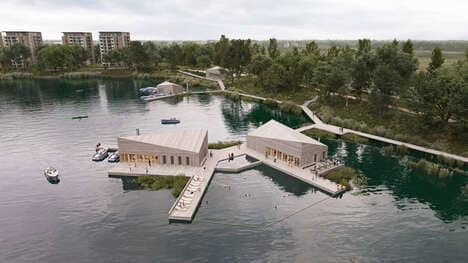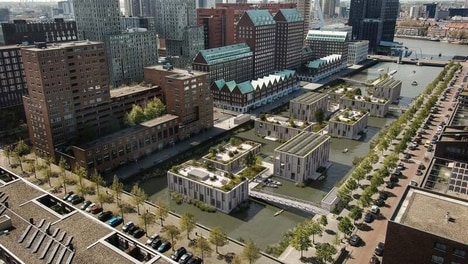
Jagne Faltmilton -- a Swedish architecture firm -- presented an interesting concept for a competition to design a master plan for Andalsnes, Norway. What sets their boxy designs apart from the rest is that they are able to move around!
The concept that Jagne Faltmilton proposed includes rolling buildings that utlize existing rail roads. Along with housing, a rolling hotel, public bath and even a concert hall was included.
Implications - Portability is a key feature that consumers are always looking for within new products. The ability for a company to promote products that are easily transported -- like these moveable city designs -- show a recognition of the consumer desire to be on the go.
What's Driving This Trend
- Rolling Architecture
- Innovative architectural designs with the capability to move are disrupting the traditional concept of static buildings, paving the way for a new kind of construction.
- Portable Infrastructure
- The emergence of portable and movable infrastructure provides new opportunities for industries reliant on static structures like construction, hospitality and transportation.
- Mobility in Urban Planning
- The incorporation of mobility and flexibility in city planning processes opens a new door for urban planners to design dynamic, adaptable and convenient cities for modern living.
Who This Affects Most
- Architecture
- Architects can redefine traditional building designs by incorporating innovations such as moveable structures and drive a new approach towards sustainable living.
- Construction
- The development of moveable infrastructure offers the potential of reducing construction costs while providing efficient and eco-friendly methods that can be applied in construction projects.
- Hospitality
- The introduction of moveable hotels and accommodation facilities can provide a solution to meeting the evolving needs of modern-day travellers, especially during events or festivals requiring temporary infrastructure.