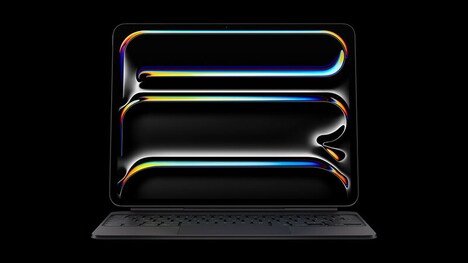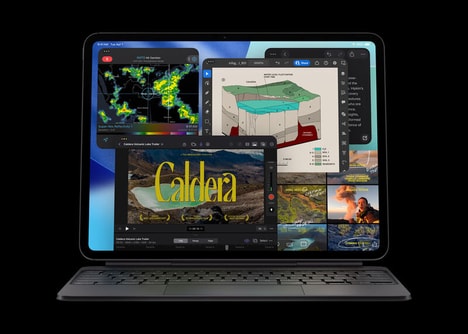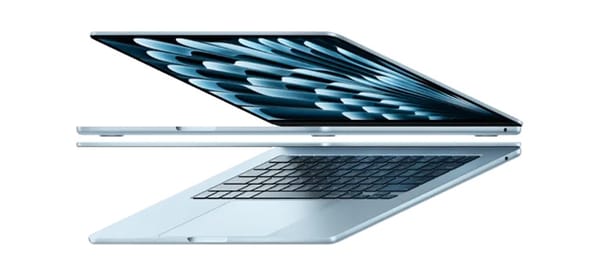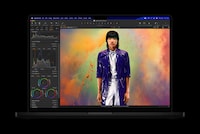

Apple introduced a refreshed iPad Air powered by the company’s new M4 chip, offering a mainstream tablet upgrade featuring on-device AI via a 16-core Neural Engine and an 8-core CPU. The launch included 11-inch and 13-inch sizes and retained the prior generation’s starting price, with preorders opening March 4 and general availability on March 11.
The M4 iPad Air added expanded memory bandwidth and a faster 9-core GPU, and it integrated the N1 wireless chip for Wi‑Fi 7 plus Bluetooth 6 and Thread support. Cellular models also received a C1X companion chip that Apple says improves efficiency.
Compatible with Apple Pencil (USB-C), Apple Pencil Pro and Magic Keyboard, the M4 iPad Air targets creators and professionals who want faster AI-assisted workflows and graphics performance. For consumers, the upgrade promises substantially higher processing and 3D rendering speeds versus the M1 Air, making advanced apps and multitasking smoother while keeping price parity with last year’s model.
Image Credit: Apple
Key Themes Behind This Trend
- On-device AI Acceleration
- Enhanced neural engines and increased memory bandwidth enable low-latency AI processing on tablets, opening possibilities for real-time generative content and context-aware applications without cloud dependence.
- Next-gen Wireless Integration
- Wi‑Fi 7, Bluetooth 6 and Thread support in mainstream tablets create environments for seamless multi-device collaboration and high-throughput media workflows across local networks.
- Affordable Professional Performance
- Maintaining price parity while delivering significant GPU and CPU upgrades suggests a shift toward making pro-level graphics and AI capabilities accessible to a broader consumer base.
Where This Applies
- Consumer Tablet Market
- The arrival of M4-powered iPad Airs with advanced AI and graphics performance indicates a redefinition of value tiers that could compress upgrade cycles and spur competition on feature-rich mainstream devices.
- Creative Software and Tools
- Optimized apps for on-device inference and accelerated 3D rendering stand to change workflows for illustrators, video editors and AR creators by reducing reliance on desktop-class hardware or cloud rendering.
- Mobile Semiconductor Design
- Integration of neural engines, specialized companion chips and higher-bandwidth memory in thin-client form factors signals new design priorities for power-efficient, heterogeneous SoCs focused on embedded AI.