Eight Sleep has launched Autopilot 4.0 — a new generation of its sleep technology that functions as an interactive sleep agent rather than a passive data tracker.
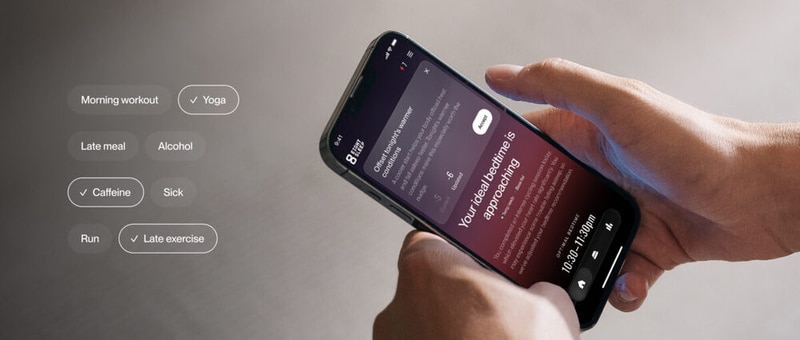
The Autopilot 4.0 uses information collected throughout the day and night to forecast how a user will sleep. The next-generation interactive sleep agent automatically adjusts the Pod’s temperature and timing before bedtime, as a result of this data, and provides a plain-language explanation each morning of what occurred and why. The system pulls relevant daily metrics from Apple Health or Health Connect, including workouts, general activity, and other health signals, while also allowing members to manually tag events such as late meals, alcohol consumption, stress levels, or intense exercise to give the algorithm richer context.
All in all, by analyzing how an individual’s habits and physiology affect their rest, the sleep agent learns personalized patterns and then proactively changes the sleep environment to counteract anticipated disruptions.
Image Credit: Eight Sleep
What's Driving This Trend
- Interactive Sleep Agents
- Personalized systems that shift from passive tracking to autonomous management of sleep environments, transforming consumer devices into active health assistants.
- Contextualized Predictive Adjustments
- AI models that use day-and-night multimodal signals and manual event tagging to forecast disruptions and preemptively tune environmental factors like temperature and timing.
- Explainable Personalized Health AI
- Algorithms that generate plain-language rationales for physiological outcomes, enabling transparent, individualized insights that bridge clinical and consumer use cases.
Who This Affects Most
- Consumer Sleep Technology
- The market for smart mattresses, temperature-regulating pods, and bedside devices that evolve into adaptive platforms offering real-time environmental control and personalized sleep optimization.
- Wearables and Health Platforms
- Integrated wearable sensors and health-data ecosystems that supply continuous contextual inputs, creating opportunities for closed-loop interventions across sleep and daytime behaviors.
- Hospitality and Smart Bedrooms
- Hotels and rental properties outfitted with responsive sleep environments that tailor room conditions to individual guest physiology and preferences, redefining premium rest experiences.