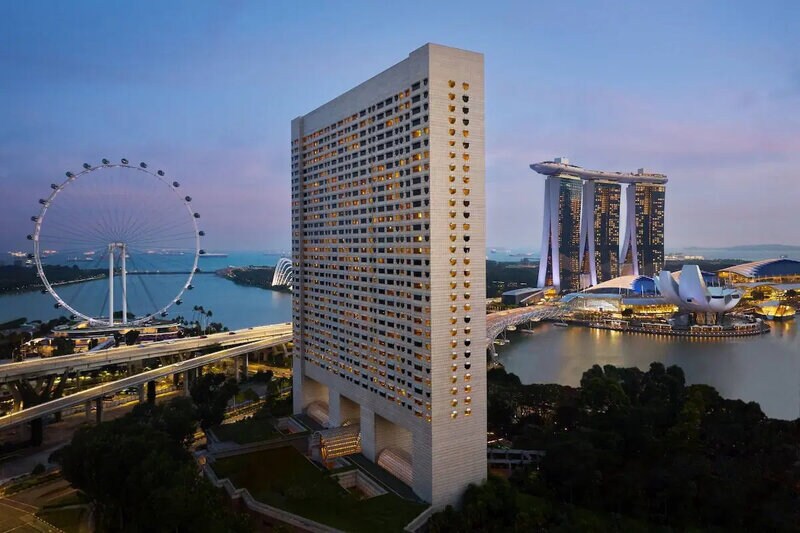
Ritz-Carlton is bringing ‘Marriott Bonvoy’ to ‘The Ritz-Carlton, Millenia Singapore,’ letting Bonvoy members earn and redeem points at the hotel starting Dec. 1, 2026. Guests with status will also be able to use Bonvoy elite benefits there, though Ritz-Carlton properties do not include breakfast as an elite perk.
The 608-key property has been the only Ritz-Carlton operating outside Bonvoy. It opened in 1996, before Ritz-Carlton had a stay-based points program, and later kept an older opt-out that allowed it to remain separate even after Marriott combined its loyalty brands.
A 608-key luxury hotel in Singapore turns loyalty access into a direct occupancy tool for travelers who choose stays around points and status. Ending the last brand-level exception also removes the mismatch of booking a Ritz-Carlton stay without the loyalty earning and redemption members usually expect.
Image Credit: Ritz-Carlton Singapore
What's Driving This Trend
- Unified Luxury Loyalty
- Luxury hotel brands are reducing loyalty exceptions to create more consistent earning, redemption, and status experiences across global portfolios.
- Points-led Travel Decisions
- Affluent travelers increasingly select premium stays based on loyalty value, making points access a meaningful driver of occupancy and brand preference.
- Elite Benefit Standardization
- Hospitality groups are balancing luxury service models with member expectations for predictable recognition across high-end properties.
Who This Affects Most
- Luxury Hospitality
- Premium hotels can strengthen demand by integrating iconic properties into broader loyalty ecosystems without diluting brand exclusivity.
- Travel Loyalty Programs
- Loyalty platforms are becoming strategic distribution channels as members use status and redemption options to guide booking behavior.
- Singapore Tourism
- Destination markets gain added appeal when major luxury assets become more accessible to international loyalty program members.