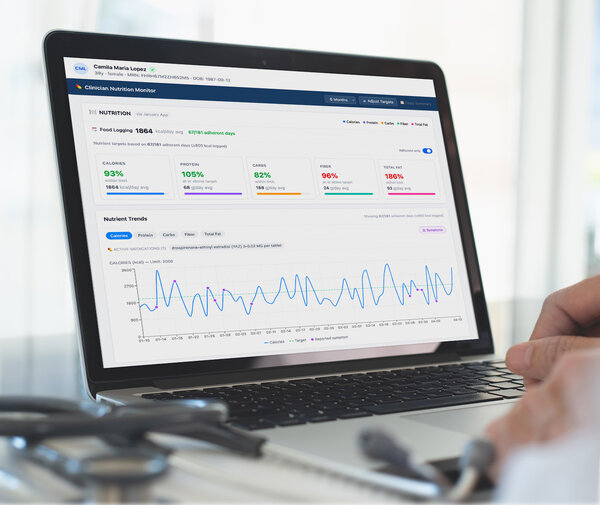
Integrated cancer support programs are expanding as Thyme Care scales its Serious Illness program to provide continuous assistance for patients facing complex medical conditions. The service connects palliative care specialists with existing oncology teams, helping patients manage symptoms, navigate treatment decisions, and access additional support throughout their care journey.
The program combines specialist consultations, coordinated local referrals, and virtual appointments for patients without nearby palliative services. Nurses, social workers, and care partners monitor changing needs using medical records, hospital information, and patient-reported symptoms. Thyme Care currently supports members nationwide through more than 600 virtual care team members and partnerships with over 1,400 oncologists.
For Thyme Care, the expansion strengthens its relationships with healthcare providers and insurers. One health plan partner reported 18% lower spending during patients' final 30 days, highlighting potential cost savings through reduced hospital utilization.
Image Credit: Thyme Care
What Makes This Trend Stand Out
- Virtual Palliative Care
- Remote specialist access is reshaping serious illness support by extending symptom management and decision guidance to patients without nearby services.
- Oncology Care Navigation
- Coordinated teams that combine nurses, social workers, and care partners create openings for more personalized cancer journeys across fragmented treatment systems.
- Cost-saving Serious Illness Models
- Lower end-of-life spending signals growing potential for value-based programs that reduce avoidable hospital use while improving patient support.
Sectors Adopting This
- Healthcare
- Integrated support programs are redefining cancer care delivery through connected clinical teams, virtual appointments, and continuous patient monitoring.
- Health Insurance
- Payer partnerships gain new relevance as serious illness programs demonstrate measurable savings tied to better coordination and fewer acute care events.
- Digital Health
- Platforms that unify medical records, patient-reported symptoms, and virtual care teams are creating scalable infrastructure for complex condition management.