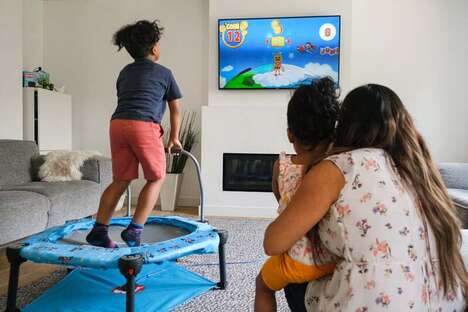
Disney Research has developed an innovative video game, dubbed Mole Madness, that allows children their in-game character using easy voice commands. The game is played in pairs, and requires one child to say "go" to get the character to move while the other says "jump" to get it to jump.
While there are lots of challenges with deploying voice-activated gaming in children due to their unpredictable speech and pronunciation, the Mole Madness project actually found that children made their speech more controlled and efficient in order to improve their in-game performance.
Ultimately, this speech recognition-based video game shows that there's plenty of potential in using voice activation technologies in the context of children's gaming and entertainment, and could even be leveraged to create stimulating and effective educational gaming experiences.
Why This Trend Is Growing
- Voice-activated Gaming
- Developing voice-recognition technology for video games encourages efficient speech from children and creates immersive experiences.
- Interactive Educational Gaming
- Employing voice-activated technology in educational video games motivates children to be more engaged and allows for interactive and stimulating experiences.
- Child-friendly Game Design
- Creating a game that centers catered to children's unique speech and needs and fostering better communication with technology presents a shift in video game design.
Industries Being Reshaped
- Video Gaming Industry
- Incorporating voice-activated technology can enhance the gaming experience for children and provide a new niche market for companies to explore.
- Edtech Industry
- The integration of interactive voice technology in educational gaming shows promise for innovation in the education industry.
- Child Entertainment Industry
- Creating games and entertainment that are engineered to invite, rather than discourage, creative communication and potential learning with technology can be a new direction for the industry.