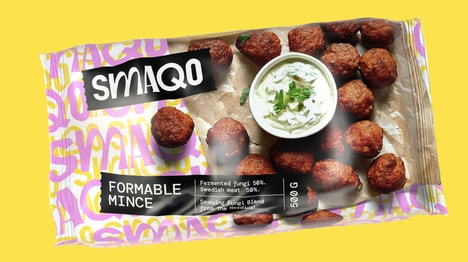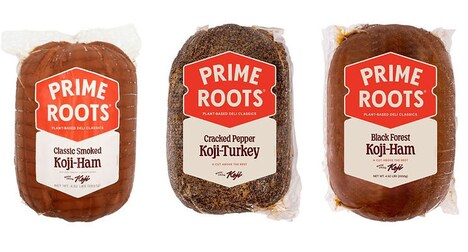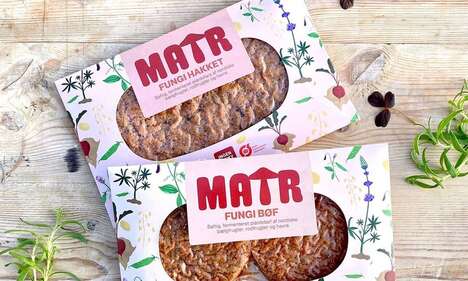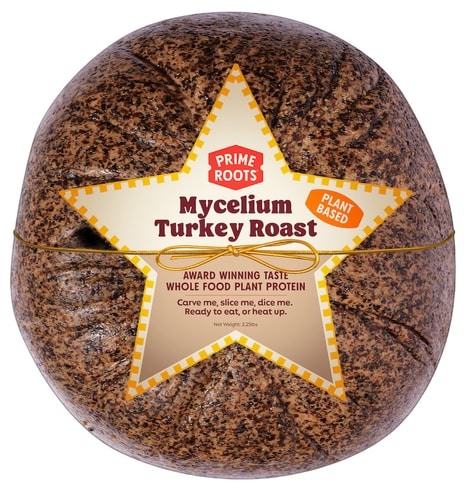
The Hamburg-based faux meat brand Infinite Roots has announced the launch of its first mycelium-based meat products.
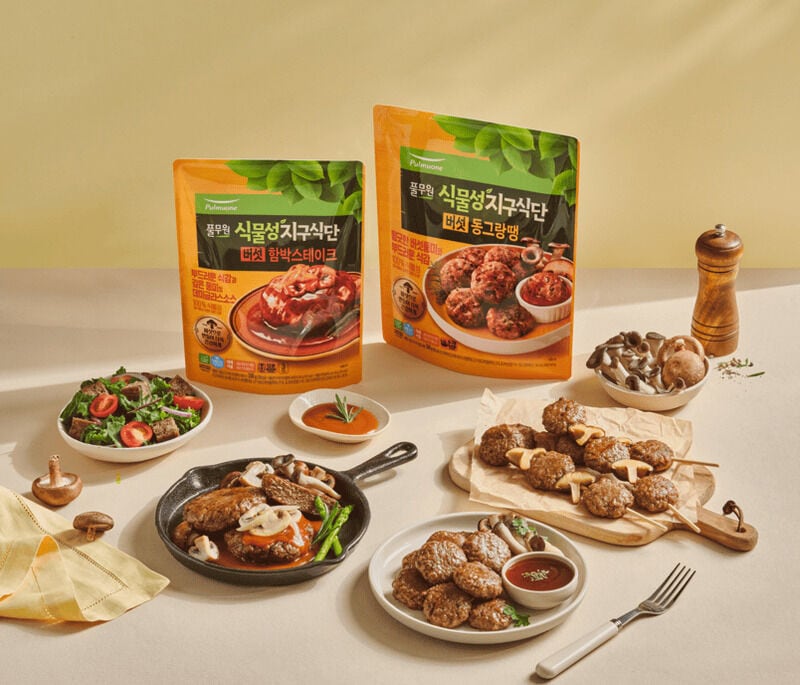
Developed in partnership with the South Korean food manufacturer Pulmuone, Infinite Roots' new mycelium-based meat products will offer consumers a nutritious, clean-label, and more sustainable meat alternative. The initial product lineup consists of faux meat burger patties and meatballs made up of mycelium (the root-like structure of a fungus). Since the new product lineup is launching in South Korea, the products will be tailored to Korean tastes and preferences. As the brand explains, the protein-rich combination of mycelium with mushrooms with other plant-based ingredients "caters to local taste preferences, creating a rich umami profile that resonates with consumers familiar with mushroom-based dishes in Asian cuisine."
Image Credit: Infinite Roots
Key Themes Behind This Trend
- Mycelium Meat Innovation
- The emergence of mycelium as a key ingredient in meat alternatives offers a novel approach to sustainable nutrition, with potential to disrupt traditional plant-based meat markets.
- Cultural Tailoring in Food Products
- Adapting plant-based and mycelium-derived foods to fit local culinary traditions presents opportunities to expand global market reach while resonating with regional consumers.
- Clean-label Foods
- The clean-label movement is gaining traction, emphasizing transparency and natural ingredients as core consumer priorities, and mycelium-based products align well with this trend.
Where This Applies
- Alternative Proteins
- The alternative protein industry is being transformed by the integration of innovative ingredients like mycelium, which promises to redefine protein sources in our diets.
- Culinary and Gastronomy
- Culinary arts and gastronomy industries can explore mycelium as a versatile ingredient, offering chefs a new medium for creating unique and sustainable dishes.
- Sustainable Food Production
- Efforts in sustainable food production are increasingly focused on eco-friendly ingredients like mycelium, which facilitate reduced environmental impact in food manufacturing.