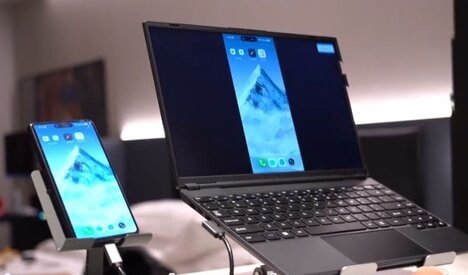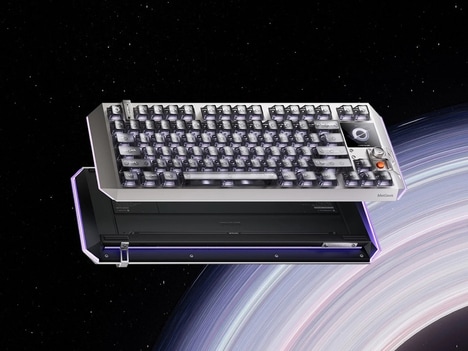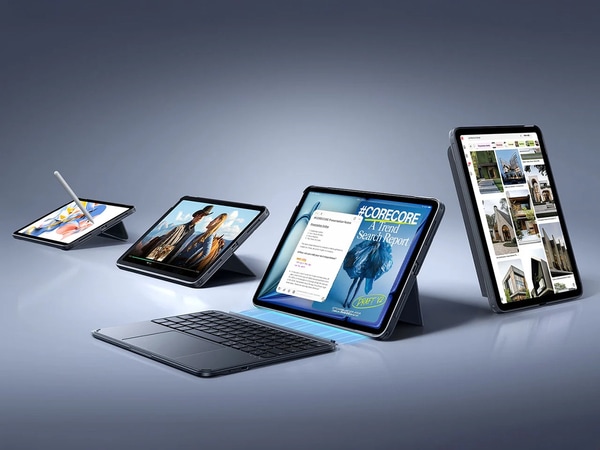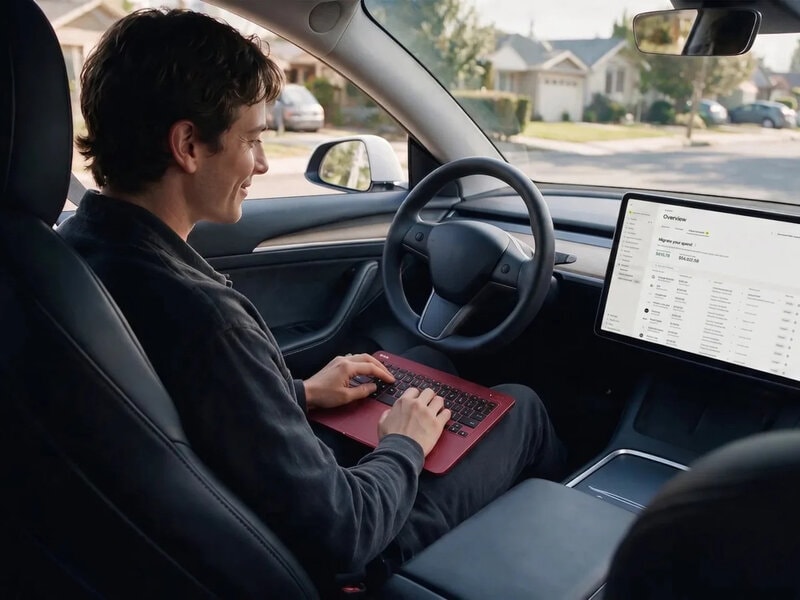
Hero Devices designed the upcoming 'Hero Keyboard' to put a Windows 11 PC inside a keyboard, letting tablet users use a compatible tablet or monitor as the screen. Its built-in trackpad and battery keep the computer separate from the display, rather than tying it to a laptop lid.
An Intel Core Ultra 5 125H chip runs Windows on the keyboard, which matters when an iPad or Android tablet cannot open a desktop app on its own. A USB-C cable carries video, while touch input connects separately, so people can stay in their usual tablet setup until a Windows-only task comes up.
At $999, Hero shows how a 'Founders Edition' aimed at people who already own the right screen, with preorders in the US and Canada and fourth-quarter 2026 shipments, can place a product in a niche hybrid slot between a Bluetooth keyboard and a notebook.
Image Credit: Hero Devices
What Makes This Trend Stand Out
- Keyboard Computers
- Full PC components embedded in input peripherals create new product categories for users who want desktop software without carrying a traditional laptop.
- Tablet Desktop Bridging
- Hybrid setups that let tablets become temporary monitors for Windows environments expand the usefulness of existing screens across work and personal contexts.
- Screenless Computing
- Devices sold without displays reduce hardware redundancy and open premium niches for modular computing experiences built around owned monitors and tablets.
Sectors Adopting This
- Consumer Electronics
- Modular form factors are reshaping device portfolios by separating compute, input, and display into more flexible configurations.
- Mobile Computing
- Tablet-focused accessories with embedded processors blur the boundary between companion peripherals and standalone computers for mobile productivity users.
- Enterprise Hardware
- Portable Windows systems that connect to existing displays present compact alternatives for organizations supporting mixed-device workflows and specialized software access.