The 'How to Spot a Liar' infographic examines the verbal, physical and facial qualities of a liar. If you have ever thought someone was trying to pull one over on you, you were probably right. There are small little hints that can be easy to pick up on such as body language, verbal hints and other telltale signs.
The 'How to Spot a Liar' infographic does a great job in laying out these hints in an easy to understand manner complete with hilariously sarcastic cartoons and examples of what you should be looking for when dealing with a suspected liar.
Whether someone is telling a half-truth or flat out being untruthful, this guide will help you find out what's really going on beneath their lies.
Key Themes Behind This Trend
- Liar Detection
- The trend of using technology to detect deceit and lies in both personal and commercial interactions is rapidly growing.
- Non-verbal Communication
- The trend of using non-verbal communication to identify signs of deception in personal and commercial interactions is gaining popularity.
- Emotion Recognition
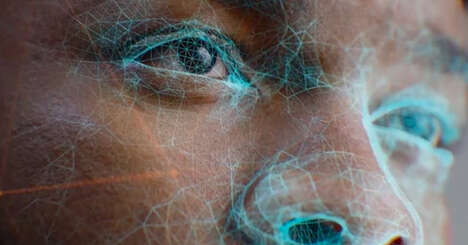
- The trend of using artificial intelligence tools to detect microexpressions and subtle emotions that can indicate deception in both personal and professional contexts continues to evolve.
Where This Applies
- Security Services
- The security services industry can create innovative solutions to detect and prevent fraud by implementing new technologies that detect liars and deceptive practices.
- Marketing and Advertising
- The marketing and advertising industry can use the trend of liar detection to ensure that marketing messages are truthful and effective in convincing consumers to buy a product or service.
- Law Enforcement and Judicial System
- The use of emotion recognition and non-verbal communication in the legal and judicial system can lead to more effective lie detection and ultimately justice.