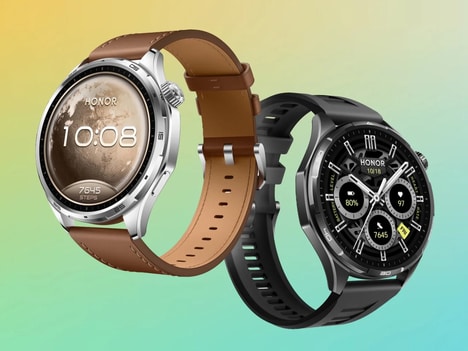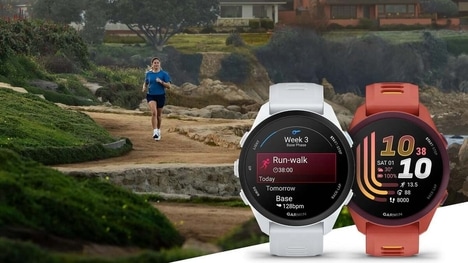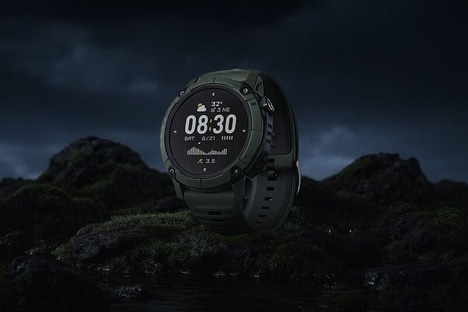
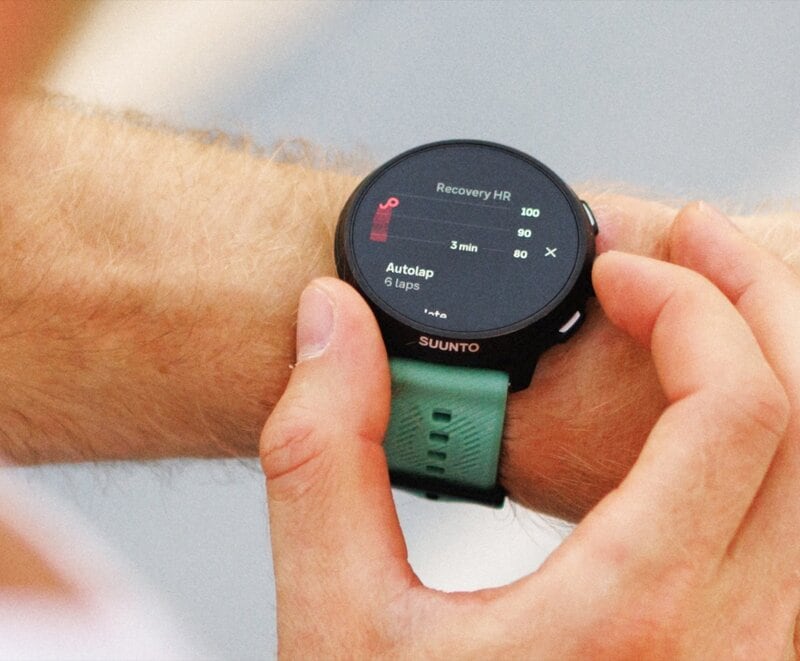
Suunto's Run 2 is a mid-range running smartwatch featuring a 1.32-inch AMOLED screen that peaks at 2,000 nits, offering roughly three times the brightness of its predecessor. The watch is 46 millimeters across, 11.7 millimeters thick and pairs a stainless steel bezel with Gorilla Glass for display protection.
The device weighs 35 grams, is water-resistant to 5 ATM and packs a 380 mAh battery rated for about 10 days of normal use. Storage comes in two options — 4 GB or 64 GB — and the Run 2 adds offline maps stored on the watch, an upgraded GPS module and a continuous heart-rate sensor. It supports 32 sport modes, sleep tracking and step and active-calorie recording but omits NFC for payments.
For runners, the offline maps and larger local storage mean navigation and on-device music or apps no longer rely on a phone. The brighter AMOLED display and longer battery make outdoor visibility and multi-day use easier, while the $349/$399 pricing positions the Run 2 as a feature-forward mid-tier option.
Image Credit: Suunto
What's Driving This Trend
- Sunlight-readable Wearables
- Ultra-bright AMOLED displays create new room for outdoor-first fitness devices that remain legible in harsh light without moving into premium pricing tiers.
- Phone-free Fitness Navigation
- Offline maps, larger storage and improved GPS signal a shift toward independent wearables that support runners beyond smartphone-connected tracking.
- Mid-tier Performance Smartwatches
- Feature-rich devices at accessible prices are reshaping expectations for battery life, durability and sport-specific functionality in the mainstream smartwatch market.
Who This Affects Most
- Wearable Technology
- Advanced sensors, brighter screens and on-device storage are expanding smartwatch use cases from companion devices into standalone performance platforms.
- Sports and Fitness
- Runner-focused tools such as offline navigation and continuous heart-rate monitoring are creating differentiated product ecosystems around training, safety and recovery.
- Consumer Electronics
- Durable materials, AMOLED upgrades and tiered storage options highlight how mid-priced electronics can borrow premium features to attract value-conscious consumers.