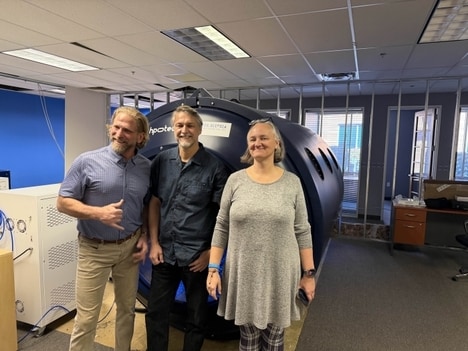
XPRIZE, a nonprofit organization known for designing and operating large-scale incentive competitions to address major global challenges, has announced the 20 finalist teams advancing in its $101 million XPRIZE Healthspan competition. This activation aims to accelerate the development of accessible therapeutics that target the biological processes of aging, with the goal of restoring muscle, cognitive, and immune function in adults aged 50 to 90 by at least 10 years, and ideally 20 years, within one year or less of treatment. Ten of these teams have each received a $1 million milestone award to support their clinical testing efforts.
The XPRIZE Healthspan competition finalist teams, representing the United States, South Korea, Japan, and China, are pursuing a wide array of scientific strategies — from repurposed or new drugs that address metabolism, inflammation, and tissue repair to biologic treatments that disrupt cellular damage and fibrosis, and so much more.
Image Credit: XPRIZE
Why This Trend Is Growing
- Healthspan Prize Competitions
- Large-scale incentive models are reshaping longevity research by concentrating capital, talent, and public attention around measurable functional aging outcomes.
- Aging Therapeutic Acceleration
- Clinical programs targeting muscle, cognitive, and immune restoration create openings for faster validation of treatments that address aging as a modifiable biological process.
- Accessible Longevity Medicine
- Affordable interventions for adults 50 to 90 may expand preventive healthcare markets beyond elite wellness into scalable therapeutic platforms.
Industries Being Reshaped
- Longevity Biotechnology
- Biotech firms focused on metabolism, inflammation, tissue repair, and cellular damage are positioned to redefine treatment categories for age-related decline.
- Clinical Trial Services
- Demand for rapid testing frameworks in healthspan interventions supports new models for biomarker-driven trials and functional outcome measurement.
- Preventive Healthcare
- Healthcare providers and payers could see emerging care models centered on preserving function before chronic age-related conditions become costly.