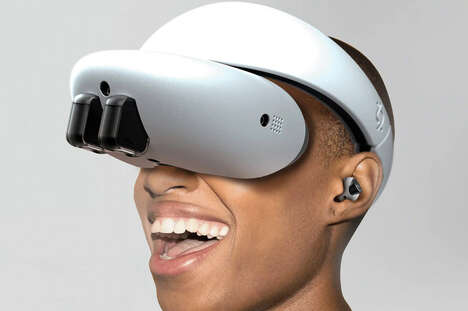
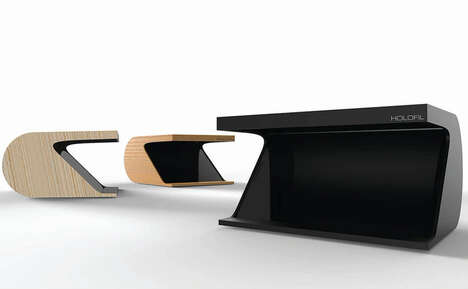
Researchers at the University of California, San Diego, have created the Heads-Up Virtual Reality device (HUVR). Not only does this low-cost device let you see a 3D image, but it also allows you to “feel” it as well.
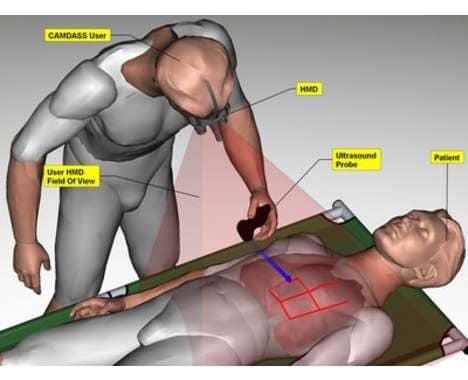
The Heads-Up Virtual Reality device is best-suited for training and education in archaeology, medicine and mechanical engineering. According to UC San Diego, the device could be used to “visualize and manipulate a 3-D image of a person’s brain taken from an MRI, or an artifact too fragile or precious to be physically handled.”
Key Themes Behind This Trend
- 3D Visualization
- Disruptive innovation opportunity lies in creating immersive experiences for various industries using 3D visualization technology.
- Haptic Feedback
- There is potential for disruptive innovation in incorporating haptic feedback into virtual reality devices to enhance the user experience.
- Training and Education
- Opportunities for disruptive innovation exist in developing virtual reality devices for immersive training and educational purposes in fields like archaeology, medicine, and mechanical engineering.
Where This Applies
- Archaeology
- The archaeology industry can benefit from disruptive innovation in the form of virtual reality devices that enable users to visualize and interact with artifacts in a 3D space.
- Medicine
- Disruptive innovation in virtual reality devices can revolutionize medical training by providing realistic simulations and visualization of anatomical structures.
- Mechanical Engineering
- Virtual reality devices with haptic feedback offer disruptive innovation opportunities in mechanical engineering, allowing users to manipulate and experience digital prototypes in a more immersive way.