The designer of the H+Bag wasn't sufficiently satisfied with the contemporary custom of reusing shopping bags -- and why should he be? Hyo Jun Jeon has come up with a clever way to make toting new clothing a more resourceful exercise -- well, in part, anyway.
You begin with a brown paper bag, narrow and long and deep enough to accommodate a garment or two. The outside of the H+Bag might be made of a thin recycled paper and the base of the satchel is a slightly sturdier card.
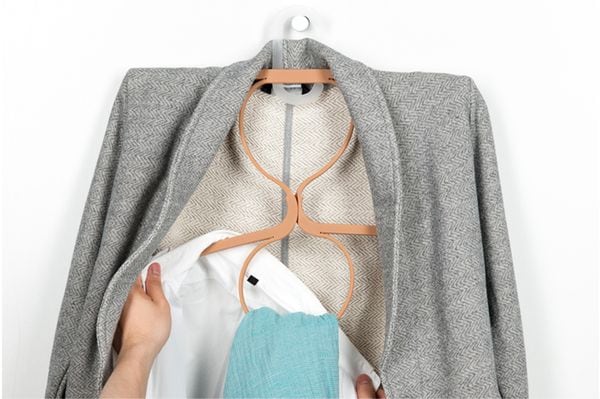
When you've returned home after running your errands and you've emptied out your H+Bag, simply remove the stiff bottom of the sack and follow the illustrated instructions. The walls can be folded into a pleated strip and fed through the loop in the card. With a curved notch in the top, the product functions perfectly as a closet-ready hanger for your purchase.
Key Themes Behind This Trend
- Sustainable Packaging
- Opportunity for companies to design innovative and eco-friendly packaging solutions that can be repurposed.
- Circular Economy
- Potential to create a closed-loop system by repurposing materials and reducing waste in the retail industry.
- Product-as-a-service
- Rise of rental and subscription models in the fashion industry as a more sustainable alternative to ownership.
Where This Applies
- Retail
- Retailers can explore sustainable packaging approaches to attract and retain eco-conscious consumers.
- Fashion
- Fashion brands can adopt rental and subscription models to minimize clothing waste and offer sustainable options to customers.
- Paper Manufacturing
- Paper manufacturers can innovate by producing recyclable and sturdy materials for packaging and hangers.