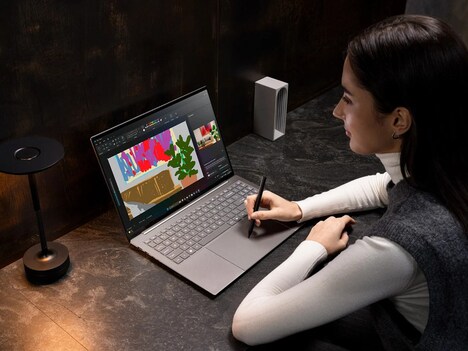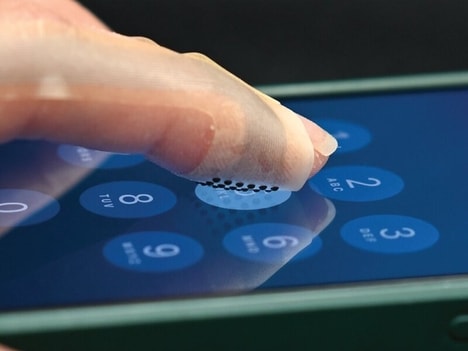
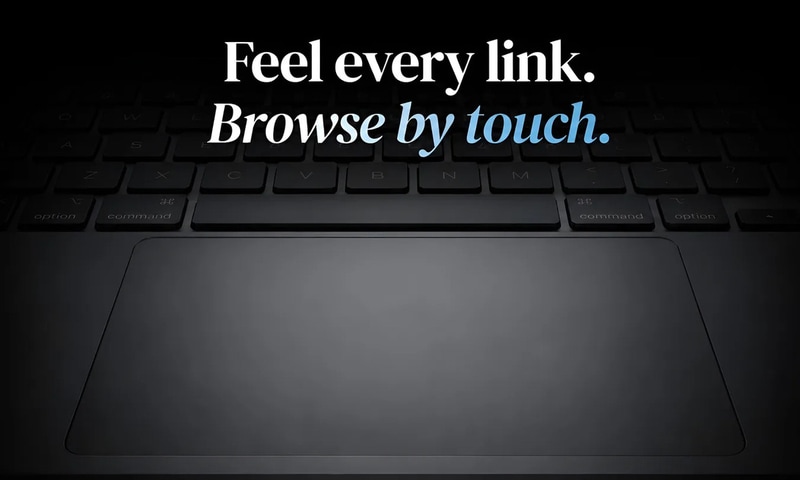
The HapticPad app is a tactile user interface browsing tool developed to help users better navigate by harnessing the power of their existing hardware. The macOS app works with the Force Touch trackpad technology inside the MacBook or the Magic Trackpad that will trigger the haptic engine for a subtle vibration when the cursor is passed over links, buttons and more. This will enable users to feel webpages as they navigate to better make their way through, which would work particularly well for those who require accessibility support.
The HapticPad app works with a Chrome extension and can be customized in terms of how it will respond when on webpages. The app responds to increased need for accessibility tools as they become more imperative for users who require them and even those who use them for novelty.
Image Credit: HapticPad
Why This Trend Is Growing
- Haptic Web Navigation
- Tactile cues embedded into everyday browsing create new interface models where digital elements become physically distinguishable for accessibility, productivity, and immersive user experiences.
- Trackpad-based Accessibility
- Existing laptop hardware is being repurposed into assistive technology, reducing dependence on specialized devices while expanding inclusive design possibilities for mainstream software.
- Custom Sensory Interfaces
- Personalized vibration responses for links, buttons, and page elements signal a shift toward adaptive interfaces that reflect individual sensory preferences and navigation needs.
Industries Being Reshaped
- Accessibility Technology
- Software-driven haptics broaden the market for assistive tools by making tactile digital navigation available through consumer hardware already owned by many users.
- Web Browsing Software
- Browser extensions and operating-system integrations introduce differentiated navigation layers that could redefine how users perceive, scan, and interact with webpages.
- Consumer Electronics
- Force feedback components in laptops and peripherals gain expanded value as sensory computing features become part of accessibility, usability, and experiential design.