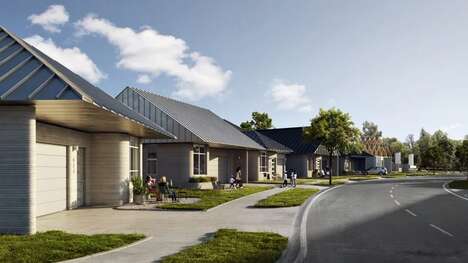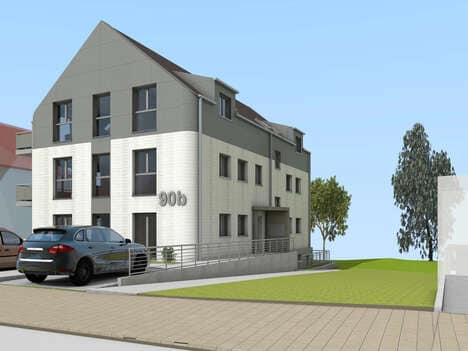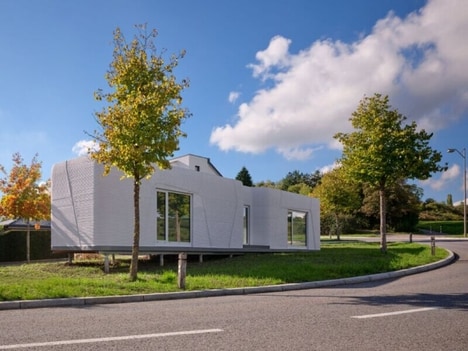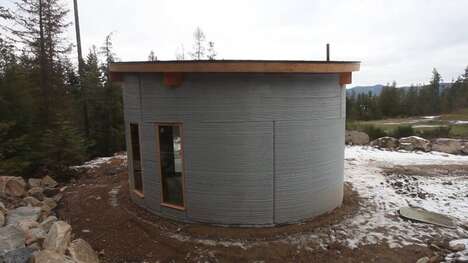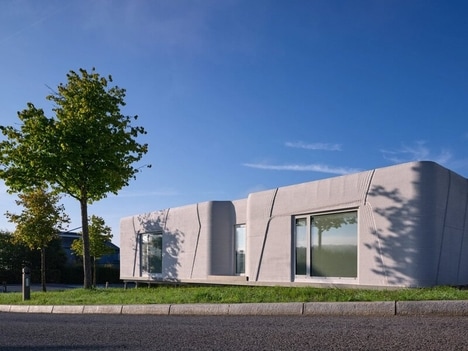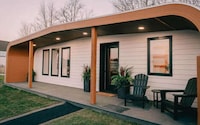
3D-printed houses are now being constructed around the world and Habitat for Humanity is building its first 3D-printed home in the United States. The first-of-its-kind home from the global housing nonprofit started to be built in Tempe, Arizona as of May using a Build on Demand Printer. Adrienne Goolsby, senior vice president of U.S. and Canada at Habitat for Humanity International, says "It is the first of its kind in the U.S. and sets the stage for increased capacity through a solution that could be both sustainable and cost-effective."
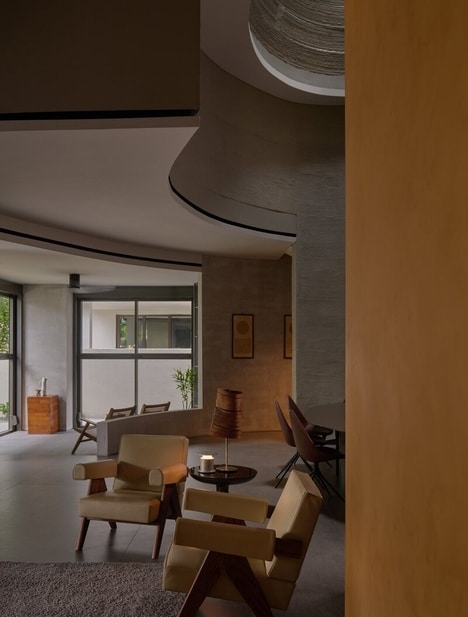
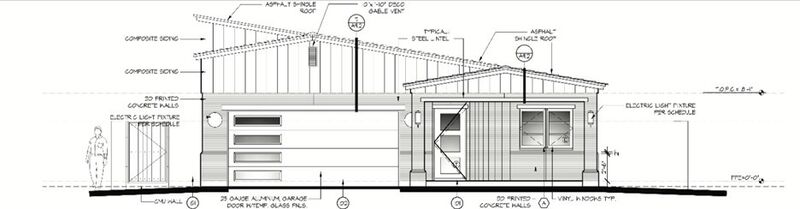
The 3D-printed single-family home features 1,738 square feet of livable space, including three bedrooms and two full bathrooms. Up to 80% of the home will be 3D-printed, including all external and internal walls, while the remainder will come from traditional construction.
What Makes This Trend Stand Out
- 3d-printed Homes
- The trend of 3D-printed homes presents opportunities for construction companies to offer more affordable and eco-friendly housing solutions.
- On-demand Printing
- The use of an on-demand printer for construction can be a disruptive innovation opportunity for companies in the construction industry to accelerate production and reduce costs.
- Sustainable Housing
- The trend towards sustainable housing via 3D printing can create opportunities for companies to offer energy-efficient housing solutions that are both affordable and easily customizable.
Sectors Adopting This
- Construction Industry
- The construction industry can benefit from adopting 3D-printing technology to make construction faster, more cost-effective, and eco-friendlier.
- Real Estate Industry
- The real estate industry can leverage the trend of 3D-printed homes to offer a new and unique selling point to attract customers.
- Non-profit Industry
- Non-profit organizations, such as Habitat for Humanity, can use 3D-printing technology to build homes that are structurally sound and affordable, increasing their impact on the communities they service.