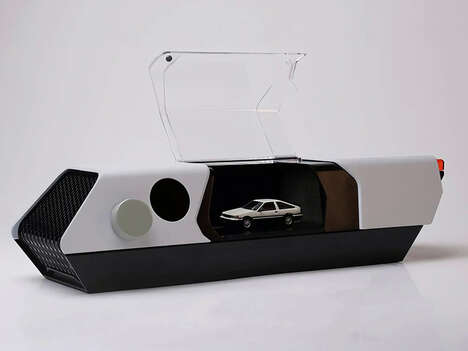
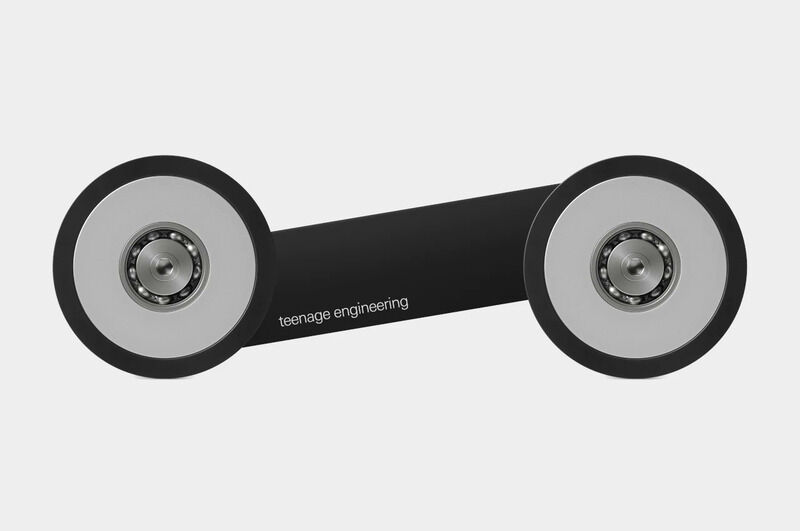
Anders Hermansen designs the Grip Car, which is a minimal toy car for Teenage Engineering. It is a unique look that has a base of four wheels -- two on each side of the elongated structure of the Grip Car. It has a fine-engineered look without any electronic details.
All of the car parts are made from CNC machines from 6063-T6 aluminum along with the contrast of stainless steel. To add more textural contrast, it also has rubber in the form of tires. To add a more bold look, there is a red model that is complete with a glossy paint job The other tonal versions are muted black or aluminum with a matte finish.
Image Credit: Teenage Engineering, Anders Hermansen
What's Driving This Trend
- Minimal Toy Cars
- Designing minimal toy cars offers opportunities for sleek, simple designs that prioritize aesthetics over technology.
- CNC Machined Toys
- Utilizing CNC machines to manufacture toys allows for precision and customization that traditional methods may not achieve.
- Rubber-tired Toy Cars
- Incorporating rubber tires into toy car designs provides a tactile element and enhances the overall play experience.
Who This Affects Most
- Toy Manufacturing
- The toy manufacturing industry can explore the potential of creating minimalistic toy car designs that appeal to consumers looking for sleek and stylish options.
- Precision Machining
- The precision machining industry can seize the opportunity to cater to the demand for intricately designed toy cars that are manufactured through CNC machines.
- Rubber Manufacturing
- The rubber manufacturing industry can partner with toy makers to produce rubber tires that enhance the aesthetics and functionality of toy cars.
Featured Reports

The Smaller Celebration Economy

The Next Innovation Frontier Is Sensory Depth