Google has created a new AI-powered software named 'Google Ithaca' in collaboration with the research company 'DeepMind.' This AI is capable of restoring portions of ancient texts that have been lost. Ithaca is based on DeepMind's previous 'Pythia,' which was similar in its function. However, Ithaca improves upon various aspects of Pythia.
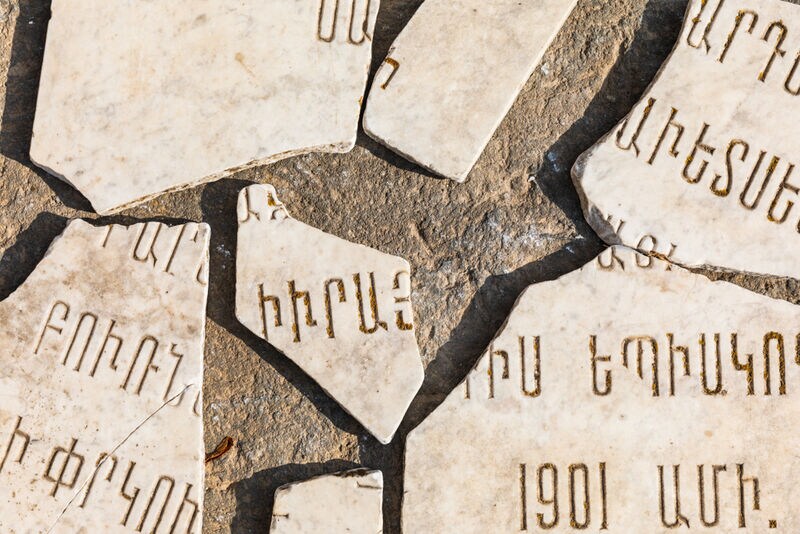
Many ancient texts, whether on scrolls or tablets, have parts that are lost and missing. Ithaca is capable of analyzing the document and determining what the missing portions may have said. Ithaca offers a few different solutions to the missing text, and each prediction has an associated confidence level. Additionally, Ithaca also makes predictions for the time and location of origin for the text it is analyzing. Whereas Pythia only attempted to rebuild the text, Ithaca can help point historians in the right direction toward discovering an object's origin. In the time since Ithaca was created it has already solved one long-running debate between historians on the origin of an object.
Ithaca is a freely available tool with open source code, which allows other developers to see how it was made and benefit from it in their own projects.
Image Credit: Shutterstock
What Makes This Trend Stand Out
- AI-enabled Text Restoration
- The application of AI for restoring lost historical texts is a promising trend offering vast opportunities to preserve old manuscripts, archaeological objects and other historical records.
- Enhanced Deep Learning for Text Analysis
- Improving the accuracy and performance of deep learning models like Pythia to analyze digital images and texts is a trend that will enable faster processing of historical artifacts and faster dissemination of their contents to the public.
- Collaborative Open-source Development
- Collaboration among organizations, developers, researchers, and museums in developing AI-based tools like Ithaca for analyzing and preserving lost historical texts and artifacts is a trend that can foster innovation and knowledge-sharing in the cultural heritage sector.
Sectors Adopting This
- Libraries and Archives
- Librarians and archivists can use AI-powered text restoration tools to preserve and showcase their collections of rare and ancient manuscripts, codex, papyri, and other documents for academic research and public engagement.
- Museums and Galleries
- Museum curators and exhibition designers can use AI-generated texts and metadata to enhance their interpretations, interactive displays, and educational programs for visitors who are interested in cultural heritage or history.
- Academic Research and Digital Humanities
- Scholars, historians, linguists, and archaeologists can use AI tools like Ithaca to analyze and decode inscriptions, vocabularies, and literary genres of historical importance that shed light on past civilizations, cultures, and societies.