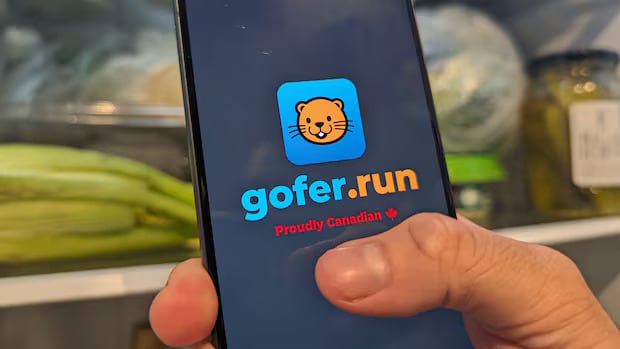
Canadian startup One Red Maple Inc. launched Gofer.run, a grocery price comparison app designed to help shoppers find the lowest total cost for a shopping list, featuring unit-based pricing comparisons and multi-store optimization. The free app debuted across Canada on iOS and Android and currently supports English language users.
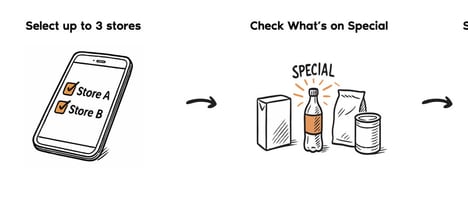
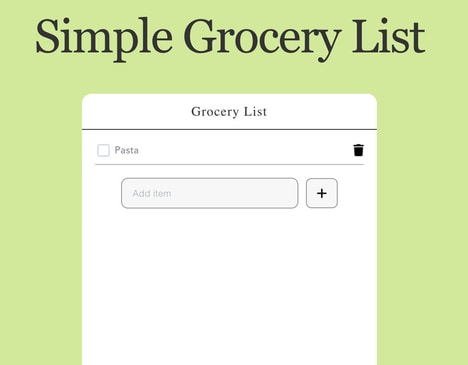
Gofer.run analyzes each item on a user’s list and compares prices by unit (for example, per 100 grams or 100 millilitres), then calculates the cheapest overall basket whether a shopper visits one store or splits trips among several. Features include photo search for in‑aisle comparisons, weekly flyer browsing, handwritten list digitization, saved lists, recipe integration and a Canadian product marker.
For consumers facing rising grocery costs, the app simplifies pre-trip planning and can lower total bills by optimizing baskets rather than single-item deals. By focusing on unit pricing and multi-store math, Gofer.run aligns with a larger trend toward data-driven, everyday savings tools for budget-conscious households.
Image Credit: One Red Maple Inc.
Why This Trend Is Growing
- Unit-based Pricing Analytics
- Machine-readable unit pricing enables precise cross-product comparisons that can disrupt traditional per-item promotions and loyalty pricing models.
- Multi-store Basket Optimization
- Algorithms that calculate cheapest total baskets across retailers create room for services that coordinate shopping across competitors and consolidate fragmented discounts.
- In-aisle Visual Search
- Smartphone-driven photo recognition for in-aisle comparisons paves the way for real-time price transparency and contextual retail experiences.
Industries Being Reshaped
- Grocery Retail
- Price-comparison tools threaten to shift customer loyalty toward low-price ecosystems and force retailers to rethink assortment, pricing, and bundling strategies.
- Consumer Finance and Budgeting
- Integrated grocery optimization within budgeting apps can change household expense management by turning sporadic deals into predictable savings patterns.
- Retail Technology Platforms
- APIs and middleware that aggregate unit pricing, flyers, and OCR/vision data could disrupt incumbents by enabling third-party orchestration of shopping flows and offers.