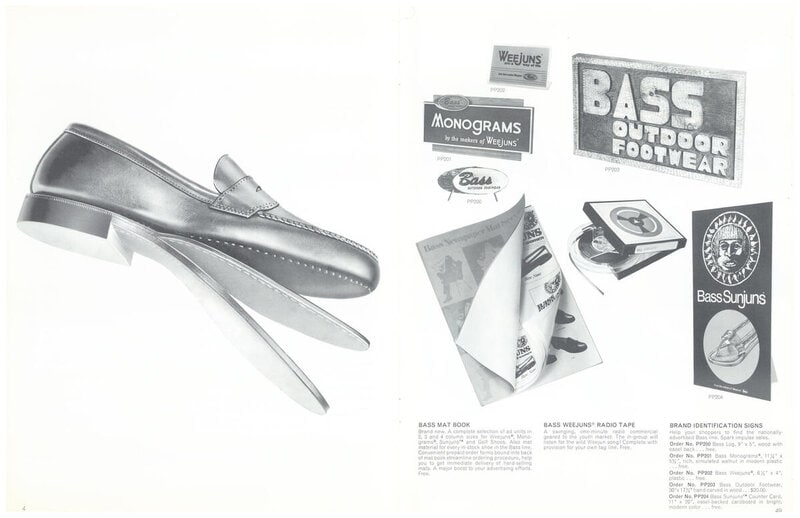
The G.H. Bass 150th anniversary capsule celebrates the footwear brand's milestone alongside the 90th anniversary of the Weejuns® penny loafer, the silhouette that introduced the world's first penny loafer in 1936. Founded in 1876, G.H. Bass has built its reputation on timeless footwear, from outdoor boots to classic loafers, while continuing to reinterpret its heritage designs for contemporary wear. The anniversary collection reflects both the brand's craftsmanship and its lasting influence on American style.
Launching in September, the capsule features updated Weejuns® penny loafers and Ivy League-inspired loafers alongside Ranger and Camp Moc boots that reference the label's outdoor heritage. Each design is finished with a commemorative anniversary embossing, while the penny loafer includes a special anniversary penny detail. Accompanying the release, the G.H. Bass 150th anniversary capsule is supported by a historical timeline and archive documenting the brand's footwear, advertising, factories and key moments across its 150-year history.
Image Credit: G.H.Bass
What's Driving This Trend
- Heritage Capsule Collections
- Archival product storytelling gives legacy brands room to transform anniversaries into limited-edition drops with collectible appeal.
- Updated Classic Footwear
- Timeless silhouettes refreshed with contemporary details create new value for consumers seeking familiar designs with modern relevance.
- Brand Archive Storytelling
- Historical timelines and preserved brand artifacts turn company heritage into immersive content that deepens product meaning and cultural credibility.
Who This Affects Most
- Footwear
- Established shoe labels can differentiate through reissued icons that blend craftsmanship, nostalgia and seasonal style updates.
- Fashion Retail
- Limited anniversary capsules provide retailers with scarcity-driven merchandising moments tied to brand history and consumer loyalty.
- Lifestyle Branding
- Heritage-driven narratives expand product launches into broader cultural experiences spanning archives, design legacy and identity-driven consumption.