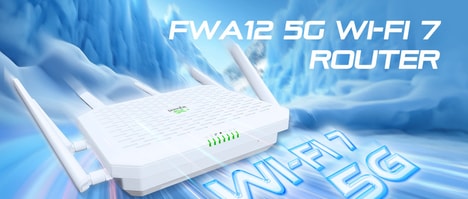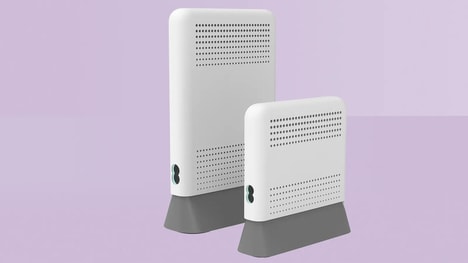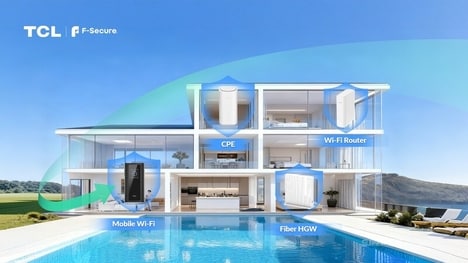

TCL is advancing AI-optimized 5G routers with the LINKHUB HH516, combining 5G Fixed Wireless Access, Wi-Fi 7, and intelligent network management. The device supports 5G speeds up to 7.01 Gbps and dual-band Wi-Fi 7 speeds up to 7.2 Gbps, while connecting as many as 512 devices. AI-based traffic recognition identifies application requirements and dynamically prioritizes latency-sensitive traffic, while adaptive power management adjusts power modes according to network usage and user behavior.
The HH516 also uses a prplWare 4.0-certified open software architecture, helping service providers reduce repeated integration work and manage multi-vendor deployments more flexibly. This combination can help operators launch new broadband services faster while lowering operational complexity. For TCL, certification and AI-driven features differentiate its hardware in the growing FWA market while expanding opportunities with telecom providers serving homes, offices, retail spaces, and events.
Image Credit: TCL
What's Driving This Trend
- AI-managed Connectivity
- Intelligent traffic recognition and automated prioritization create room for routers that personalize bandwidth performance across homes, offices, and high-density venues.
- 5G Fixed Wireless Expansion
- High-speed FWA devices are reshaping broadband access by offering operators faster service deployment beyond traditional fiber or cable infrastructure.
- Open Network Architecture
- Certified open software platforms support more flexible multi-vendor ecosystems, reducing integration friction for telecom providers scaling connected services.
Who This Affects Most
- Telecommunications
- Carrier networks benefit from AI-enhanced hardware that can simplify broadband rollout, improve service quality, and support new fixed wireless revenue models.
- Smart Home Technology
- Connected households gain value from routers capable of managing hundreds of devices while optimizing performance for streaming, gaming, and remote work.
- Enterprise Networking
- Offices, retail environments, and event spaces present demand for adaptive wireless infrastructure that balances speed, density, and operational simplicity.