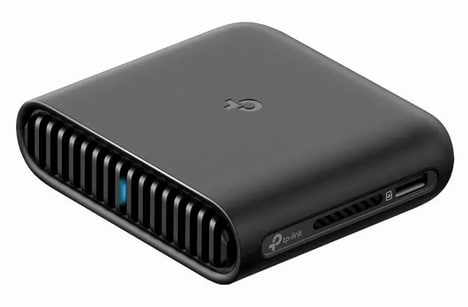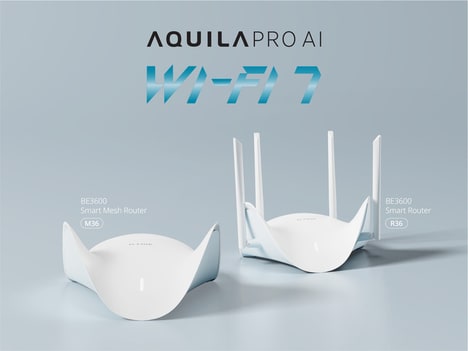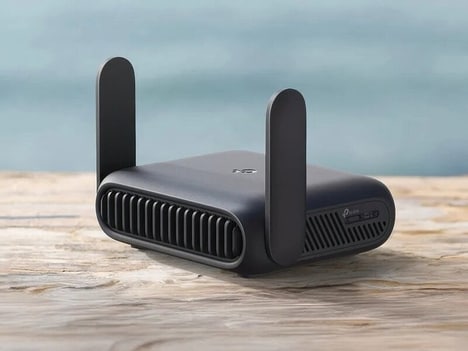

InHand Networks has introduced a new indoor router — the FWA12 — which integrates several contemporary networking standards into a single device aimed at commercial and small business users. The hardware is designed to utilize both 5G cellular networks, adhering to the Release 16 standard, and the latest Wi-Fi 7 protocol for local wireless connectivity.
Key features of the indoor router include robust antenna design for improved signal reception, the ability to use cellular or wired internet as a primary or backup connection, and a suite of integrated security measures such as firewalls and virtual private network support.
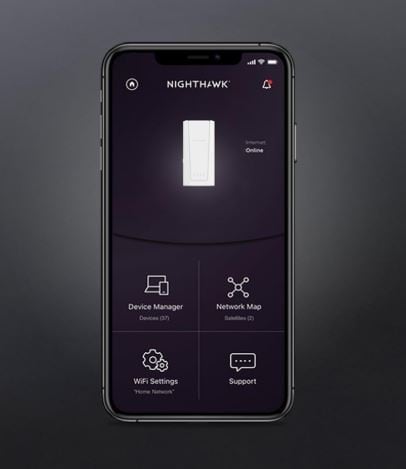
A significant aspect of the product is its compatibility with a proprietary cloud management platform that incorporates artificial intelligence for network diagnostics, remote troubleshooting, and centralized administration of multiple units.
Image Credit: InHand Networks
What Makes This Trend Stand Out
- 5G and Wi-fi 7 Integration
- The convergence of 5G and Wi-Fi 7 in indoor routers offers new opportunities for seamless and faster internet connectivity in commercial spaces.
- AI-driven Network Management
- AI-infused cloud management platforms are revolutionizing networking by enabling predictive diagnostics and efficient remote troubleshooting.
- Enhanced Cybersecurity Features
- Embedded security measures like firewalls and VPN support in routers are setting new standards for safeguarding business network infrastructures.
Sectors Adopting This
- Telecommunications
- The evolution of telecommunications is marked by the seamless integration of multi-standard networking routers to enhance connectivity options for businesses.
- Cloud Computing
- Cloud platforms providing AI-based network management services are poised to transform how network operations are monitored and managed remotely.
- Network Security
- The network security industry is leveraging enhanced router security features to provide more comprehensive solutions to protect business communications.