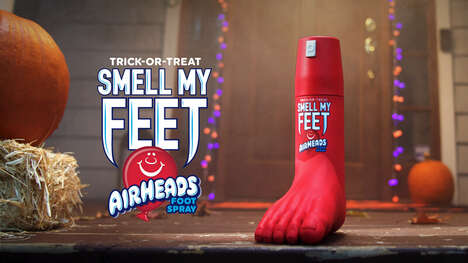
Offering a foul-scented gas spray is lifestyle and novelty brand Liquid ASS that has put together a scent that realistically replicates the flatulent odors of the body with a series of blended ingredients that are so potent in odor, they can make a smeller's eyes water. The grotesque spray quite unlike anything currently on the market.
Liquid ASS is just as the brand names suggests, a spray designed to give off of the odor of foul scents produced by the body. The brand describes the scent of the product as a "....genuine, foul butt–crack smell with hints of dead animal and fresh poo” with a fragrance so strong it can make consumers gag and tear up. While the spray was first engineered as a prank product for consumers, it is used by the military when simulating and training for emergency medic situations.
Key Themes Behind This Trend
- Novelty Gas Sprays
- Disruptive innovation opportunity: Develop unique and unusual scent sprays that cater to niche markets and offer a memorable experience.
- Replicating Foul Odors
- Disruptive innovation opportunity: Create products that accurately imitate unpleasant smells for practical joke purposes or specialized applications like training simulations.
- Extreme Fragrance Intensity
- Disruptive innovation opportunity: Explore the creation of highly potent fragrances that elicit strong emotional reactions in customers, such as causing them to tear up or feel physically uncomfortable.
Where This Applies
- Lifestyle and Novelty
- Disruptive innovation opportunity: Develop novel products that cater to unique and unconventional consumer preferences, offering a fresh twist in the market.
- Pranks and Practical Jokes
- Disruptive innovation opportunity: Design innovative prank products that add a new level of realism and surprise, offering consumers distinct and memorable experiences.
- Military Training and Simulation
- Disruptive innovation opportunity: Develop specialized products for military training that accurately replicate challenging and realistic scenarios, enhancing the effectiveness of simulations.