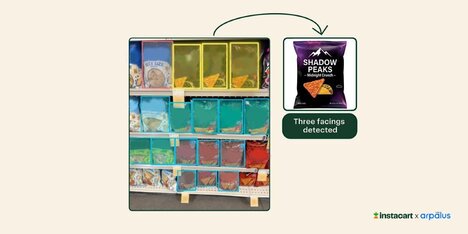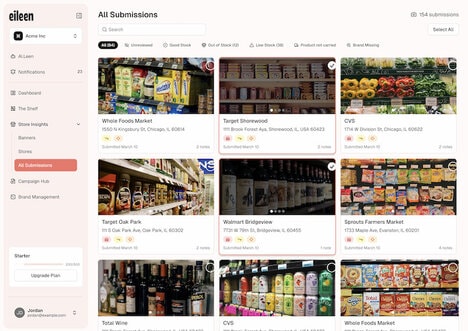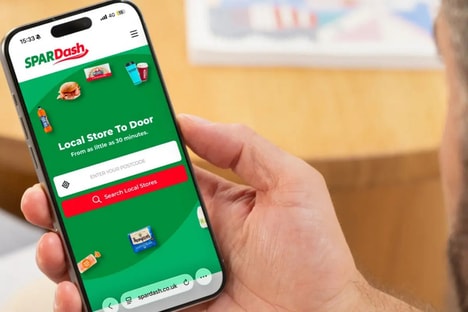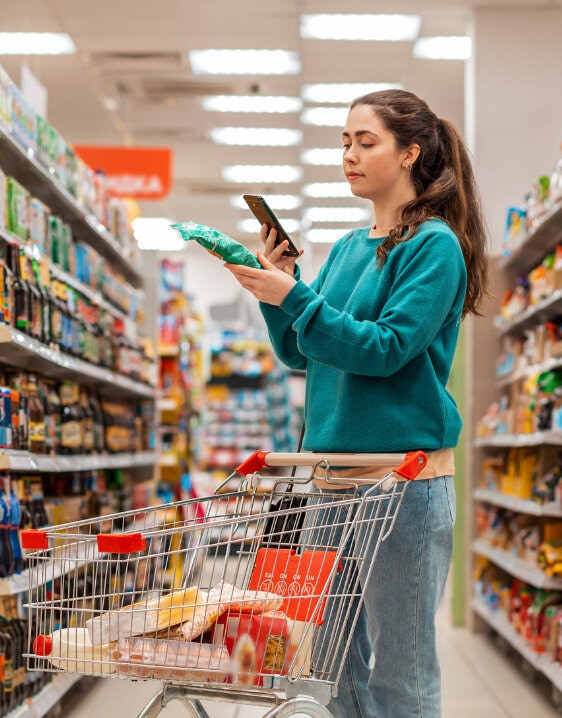
DoorDash is expanding its retail technology with Brand Center, a platform that combines consumer purchasing data with AI-analyzed shelf signals collected by Dashers. Brands can identify out-of-stock products, monitor shopper substitutions, uncover assortment gaps, and estimate revenue missed because of unavailable inventory. A Catalog Editor also lets eligible brands update product images, descriptions, and categories, while Merchandising Tasks can connect identified shelf problems with targeted audits, restocking, item counts, and promotional display support.
The platform moves DoorDash beyond advertising by linking digital shopping behavior with conditions inside physical stores. For brands, having inventory, catalog, substitution, and campaign information in one system can make retail decisions more responsive. For DoorDash, Brand Center creates a broader business relationship with advertisers by turning its consumer order data and extensive Dasher network into tools that support marketing, ecommerce, supply chain, and merchandising teams.
Image Credit: DoorDash
Key Themes Behind This Trend
- Shelf-signal Analytics
- AI-analyzed in-store observations merged with transaction data reveal hidden inventory failures, assortment gaps, and missed revenue across retail networks.
- Crowdsourced Retail Audits
- Gig-worker networks create scalable visibility into shelf conditions, enabling brands to monitor execution without relying solely on store-reported data.
- Unified Commerce Intelligence
- Integrated catalog, substitution, campaign, and inventory insights give consumer brands a more complete view of demand across digital and physical channels.
Where This Applies
- Retail Technology
- Platforms that connect shopper behavior with real-time shelf intelligence are reshaping how merchants manage inventory, merchandising, and product availability.
- Consumer Packaged Goods
- Brands gain more granular visibility into stockouts and substitutions, creating new pathways for faster assortment planning and revenue recovery.
- Last-mile Delivery
- Delivery networks are evolving into data-collection and retail-execution infrastructures that extend their value beyond fulfillment and advertising.