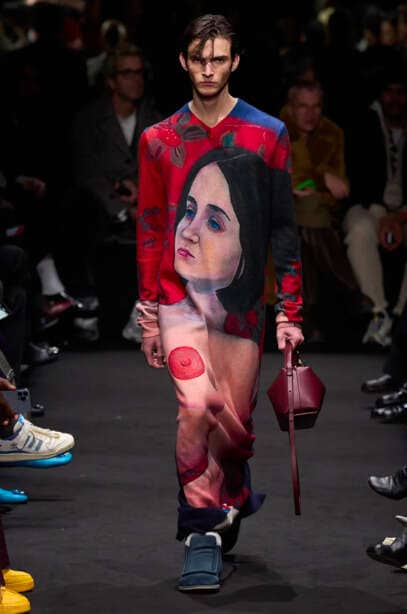
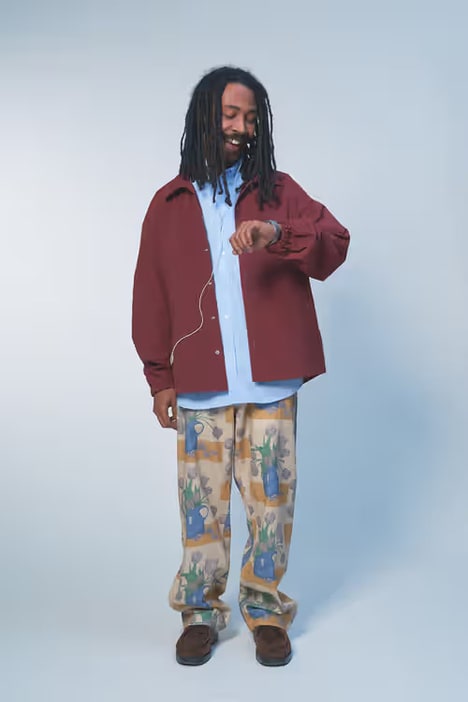
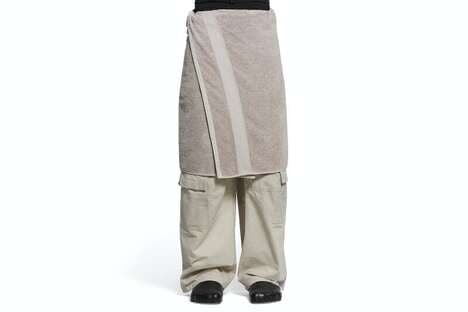
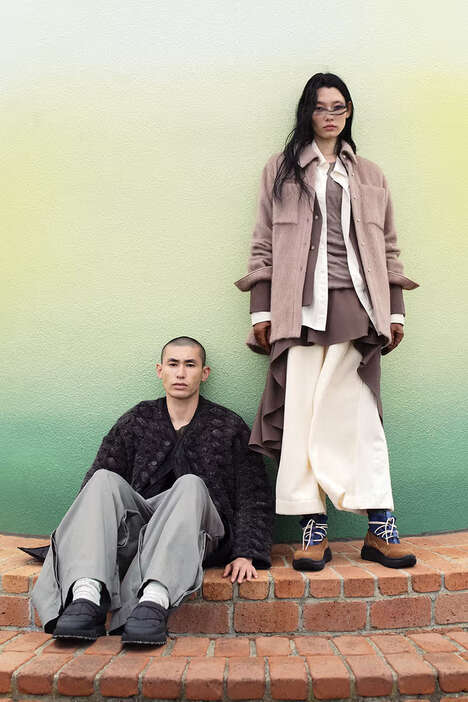
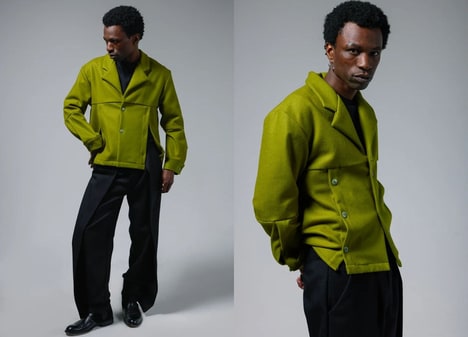
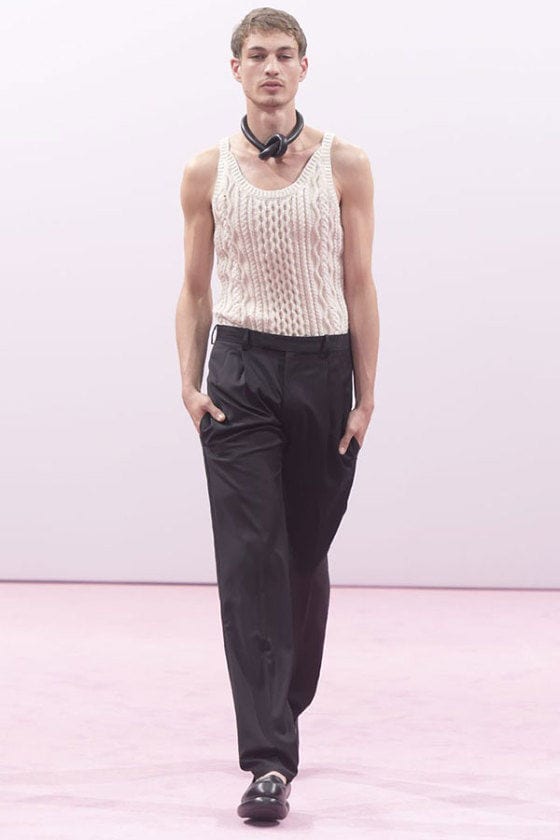
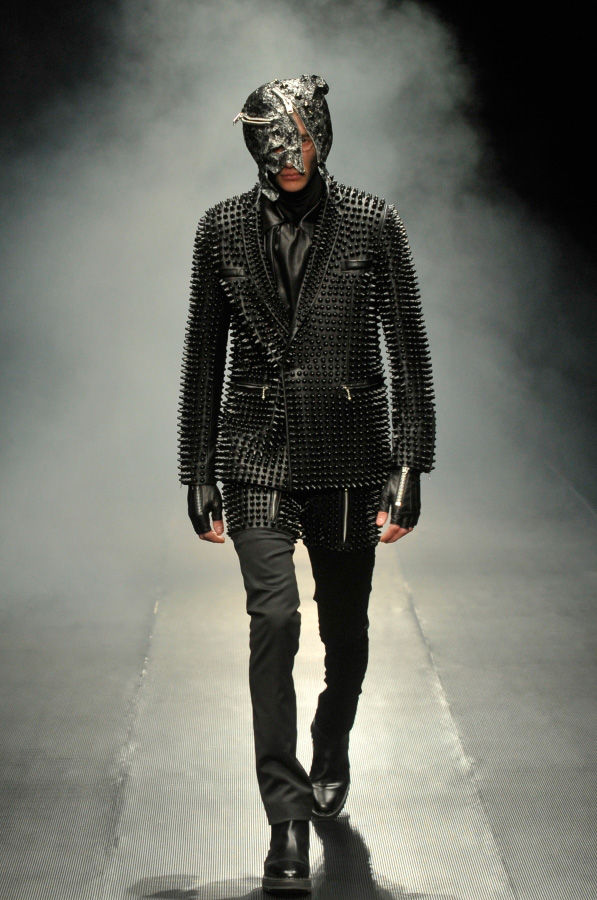
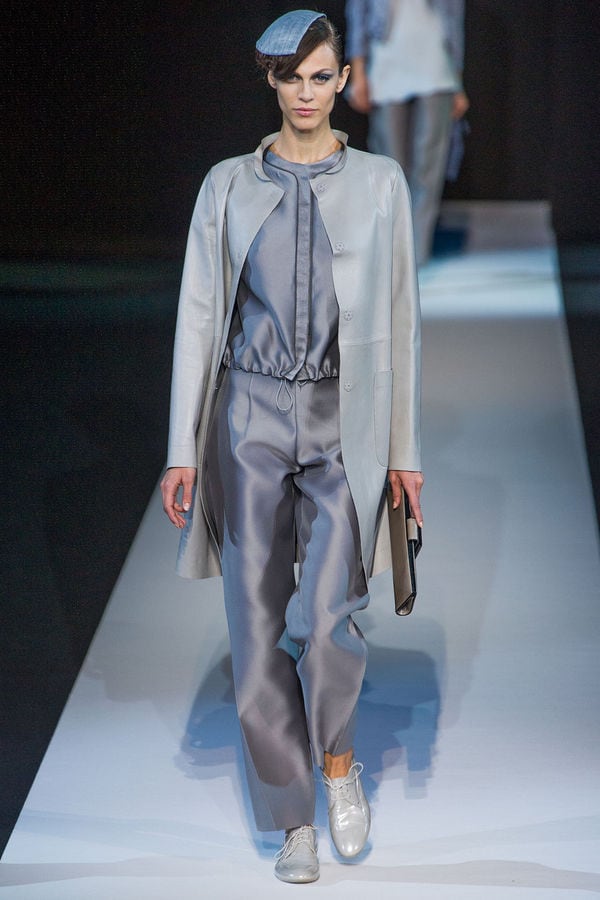
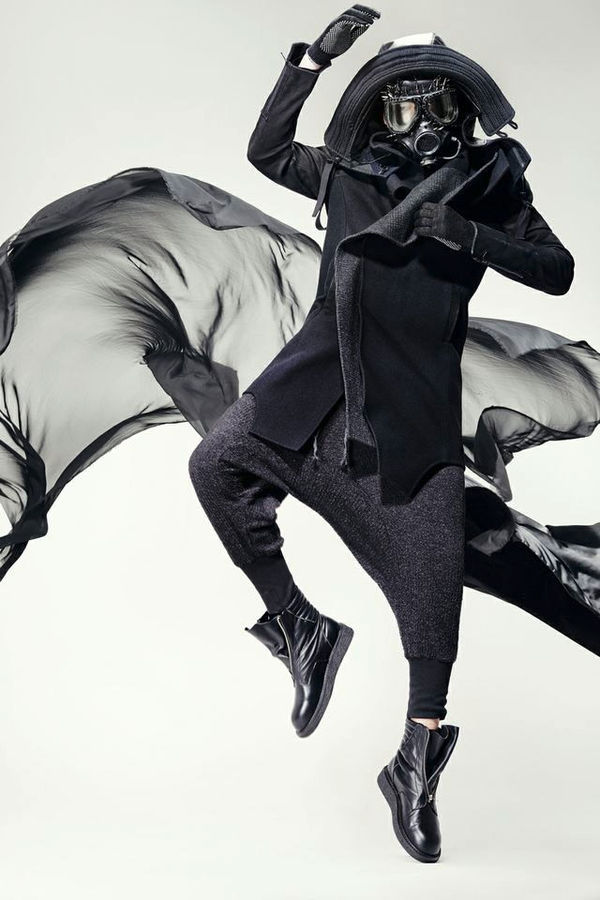
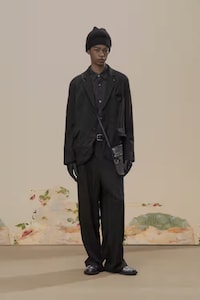
The Fujiwara Fall/Winter 2010 collection embraces fashion's last taboo: men in skirts. Guiliana Fujiwara and Gareth Pugh advocate the appropriation of feminine attire with floor-sweeping, pleated affairs worn with black layers and high-tops that are very much removed of all female connotations.
Referencing samurai warriors, Japanese hakamas and dhotis, this theme comes with a longstanding tradition. Technically Pugh's skirt consists of super wide legged trousers, but the effect is the same. See more shots of the Fujiwara Fall/Winter 2010 above.
What's Driving This Trend
- Gender-inclusive Fashion
- The acceptance and adoption of traditionally feminine attire by men in the fashion industry opens up opportunities for gender-inclusive fashion brands.
- Fashion Reinterpretation
- Designers reinterpreting traditional clothing garments, such as skirts, for men present disruptive innovation opportunities for the fashion industry to challenge societal norms.
- Cultural Traditions in Fashion
- Drawing inspiration from cultural traditions like samurai warriors and Japanese hakamas, fashion designers can create unique and culturally diverse collections.
Who This Affects Most
- Fashion Retail
- Fashion retailers can tap into the rising demand for gender-inclusive fashion by featuring collections that include skirts and other traditionally feminine attire for men.
- Design and Manufacturing
- Designers and manufacturers can collaborate to develop innovative techniques and materials that make men's skirts more practical and comfortable.
- Fashion Marketing and Advertising
- Marketing and advertising agencies can help break down societal barriers and promote the acceptance of men's skirts through diverse and inclusive campaigns.