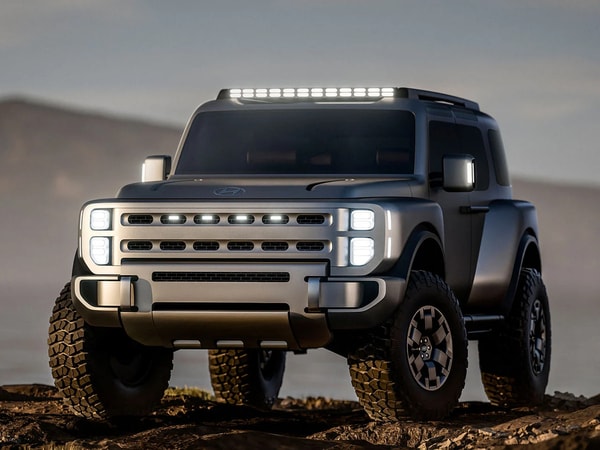
The Freelander Concept 97 is a reborn electric SUV concept introduced by Jaguar Land Rover and Chinese automaker Chery, featuring a boxy, off-road-ready silhouette with a reference to the original 1997 Freelander and an 800-volt electrified architecture. Designed as the first preview of a standalone Freelander marque, the Concept 97 showcased a three-row layout, pillar-to-pillar display and modern lighting while signaling the brand's shift from internal combustion to electrification.
JLR provided design direction and heritage cues while Chery supplied platforms, powertrain know-how and manufacturing at the Changshu joint-venture plant; electronics include Qualcomm Snapdragon 8397 and Huawei Qiankun-assisted driving tech with high-resolution LiDAR.
The Concept 97 matters because it launches a planned six-model electric SUV lineup aimed initially at China, marrying legacy styling with flexible EV, PHEV and range-extended powertrains to meet varied market and regulatory needs.
Image Credit: Jaguar Land Rover
What Makes This Trend Stand Out
- Heritage-inspired EV Design
- Blending classic model cues with modern electric architecture creates new market segments that capitalize on nostalgia while delivering contemporary EV capabilities.
- Modular Multi-powertrain Architecture
- Flexible platforms that accommodate EV, PHEV and range-extended systems enable manufacturers to rapidly tailor powertrain offerings to regional regulations and customer preferences.
- Integrated Advanced Sensing and Connectivity
- High-resolution LiDAR combined with Snapdragon-class processors and cloud-assisted driving stacks supports a convergence of connected vehicle services and advanced driver assistance features.
Sectors Adopting This
- Automotive Manufacturing
- Joint-venture production models and shared platforms are reshaping scale economics and supply chain configurations for global EV rollouts.
- Battery and Power Electronics
- 800-volt architectures and adaptable energy systems are driving opportunities for lighter, faster-charging modules and new thermal management solutions.
- Autonomous Driving Systems
- Combining high-resolution sensing with powerful edge computing is enabling richer perception stacks and new tiers of assisted and autonomous functionality.