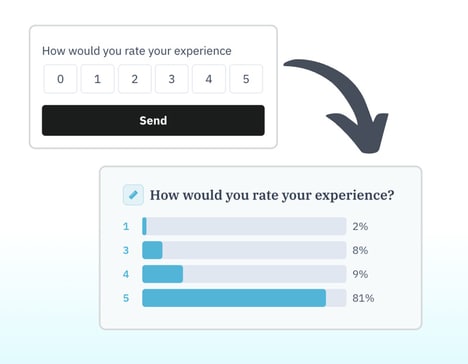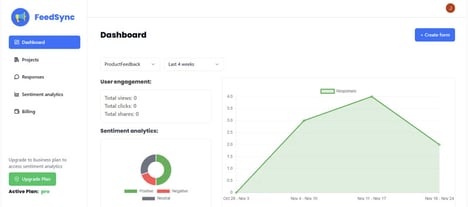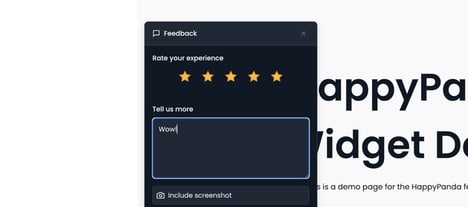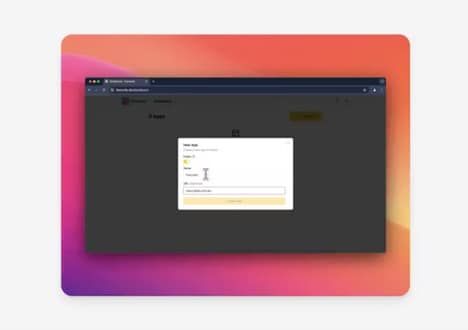
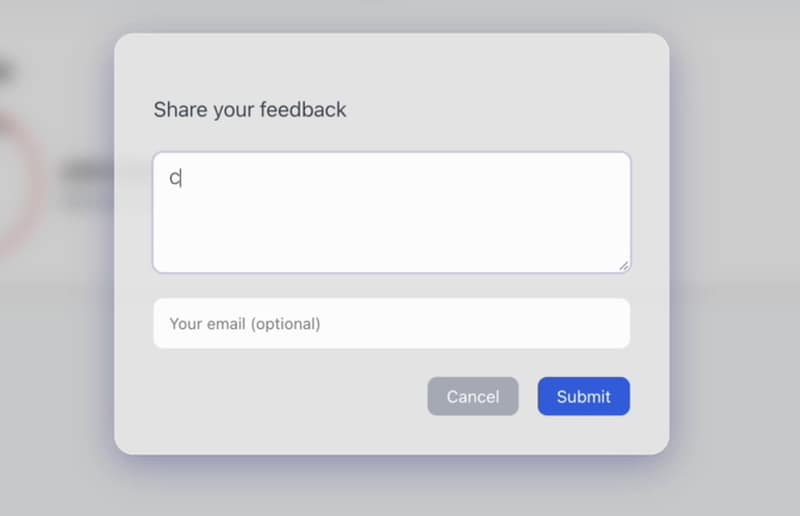
Feedback Widgets Formless Feedback is a no-code tool designed to help websites collect user feedback through embedded widgets. It allows product teams to integrate feedback forms directly into their web interfaces, enabling users to submit insights, suggestions, or issues without leaving the page.
The system is intended to simplify the process of gathering qualitative data from users and improve product iteration cycles. By removing technical barriers to implementation, it supports faster deployment of feedback mechanisms across digital products. This aligns with a broader trend in product development tools that emphasize real-time user input and continuous improvement. For businesses, such platforms can enhance engagement, improve customer understanding, and provide actionable data for product decisions. The streamlined nature of widget-based feedback collection helps reduce friction in communication between users and product teams while supporting ongoing product optimization efforts.
Image Credit: Formless Feedback
Key Themes Behind This Trend
- Embedded Feedback Widgets
- Seamless in-page feedback collection that can transform user research by producing continuous, contextualized streams of qualitative data.
- No-code Feedback Infrastructure
- Lowering technical barriers creates the possibility for non-technical teams to deploy and iterate feedback systems rapidly, altering how product intelligence is sourced and managed.
- Real-time Qualitative Insights
- Instant user submissions offer a steady flow of sentiment and suggestion signals that could shift decision-making from periodic studies to ongoing, data-driven refinement.
Where This Applies
- Saas Product Development
- Integrated widget feedback can change feature prioritization dynamics by providing product teams with persistent, in-product user signals tied to specific workflows.
- E-commerce Platforms
- Contextual customer comments gathered at the point of purchase bring the potential to refine conversion funnels with direct, moment-of-intent insights.
- Digital Agencies
- Agencies could leverage embedded feedback to deliver continuous user-driven creative and UX optimization, influencing client engagement models and value propositions.