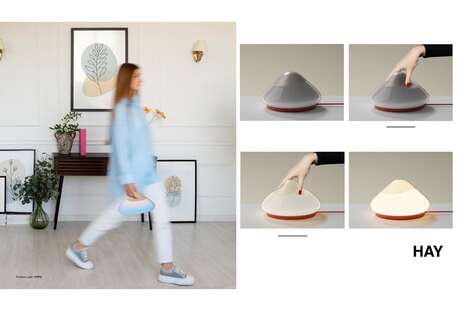
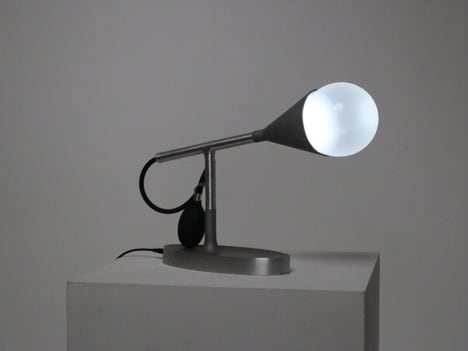
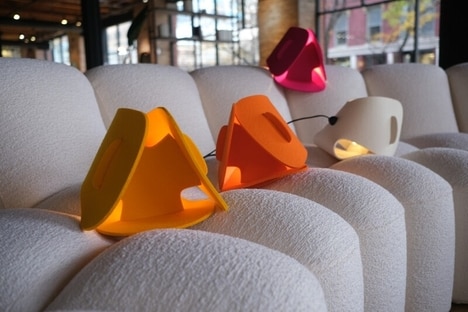
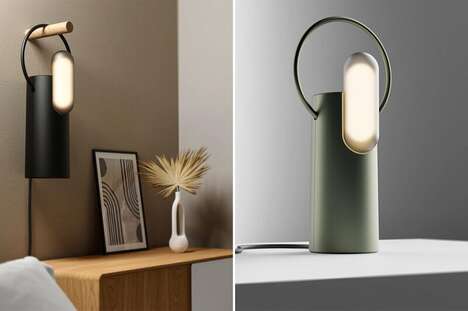
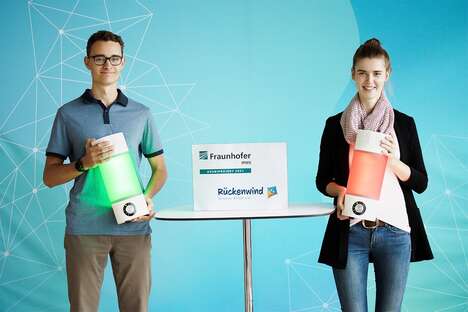
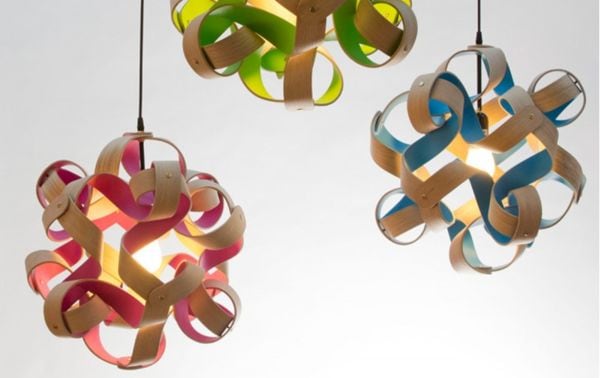
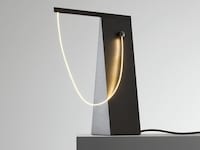
The Force-Sensing Lamps boast deceptively minimalist designs. They take on simple geometric shapes with a generous surface that allows people to place a number of objects on top of them. It is the weight of these objects that determine how brightly the Force-Sensing Lamps shine. The heavier the weight, the brighter the light.
Designed by Kebei Li, an industrial designer and Rhode Island School of Design student, the Force-Sensing Lamps are an experimentation of sorts. The Rhode Island-based designer writes, "[T]he lamps are intended to study people’s adaptability to ambiguous or even flawed systems and objects. It is important to notice that, many existing designs and systems are not optimized for human use." They are currently up on Craigslist for adoption.
What's Driving This Trend
- Force-sensing Lamps
- Disruptive innovation opportunity: Explore the potential for integrating force-sensing technology in various lighting applications.
- Minimalist Design
- Disruptive innovation opportunity: Identify ways to incorporate minimalist design principles in product development across different industries.
- Adaptable Systems
- Disruptive innovation opportunity: Develop adaptable systems and objects that can modify their functionality based on user interaction.
Who This Affects Most
- Lighting
- Disruptive innovation opportunity: Revolutionize the lighting industry by creating customizable and responsive lighting solutions.
- Product Design
- Disruptive innovation opportunity: Redefine product design by focusing on simplicity, functionality, and user experience.
- Smart Home
- Disruptive innovation opportunity: Integrate force-sensing technology into smart home devices to enhance user interaction and automation capabilities.