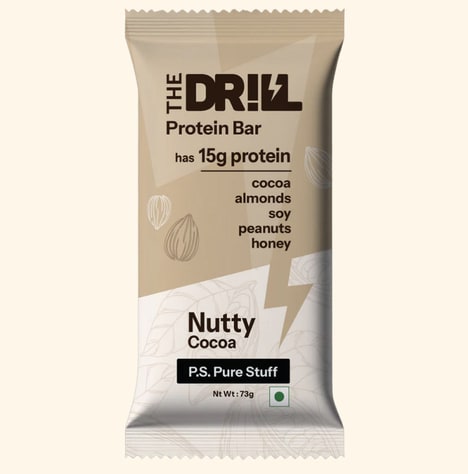
WISEcode has introduced a novel food evaluation system named WISEscore. This development represents a significant advancement in nutritional assessment by integrating both ingredient composition and nutrient density into a single, simplified rating.
WISEscore's metric moves beyond the traditional nutrition label's limited scope of approximately fifteen components. In order to do so, the food evaluation system utilizes an extensive database that analyzes over 15,000 distinct food characteristics. The platform generates its overall score by equally weighing two core evaluations — one focused on the purity and processing of ingredients, scrutinizing elements like artificial additives and industrial seed oils, and another dedicated to the nutritional value, which measures factors such as protein concentration and carbohydrate quality. The final result is presented to the user through a straightforward meter, offering an immediate visual gauge of a product's quality.
Image Credit: WISEcode
Key Themes Behind This Trend
- Comprehensive Nutritional Scoring
- Combining ingredient composition with nutrient density into one score provides a more holistic view of food healthiness, disrupting the traditional reliance on limited nutrition labels.
- Advanced Food Databases
- Utilizing vast databases with over 15,000 characteristics for assessing food enables more accurate and tailored nutritional evaluations, setting a new standard for food data utilization.
- Ingredient Purity Analysis
- Focusing on the purity and processing of ingredients empowers consumers to make better informed choices, shifting emphasis from simple caloric data to quality substance scrutiny.
Where This Applies
- Health and Wellness Technology
- Platforms that innovatively quantify food quality open the door to personalized health recommendations, enhancing user engagement in health management.
- Big Data Analytics in Nutrition
- The use of extensive databases for food evaluation aligns with broader trends in big data, where analytics transform how consumers understand dietary impacts.
- Consumer-focused Food Manufacturing
- Providing straightforward and comprehensive scores for food products pushes manufacturers to prioritize transparency and cater to health-conscious markets.