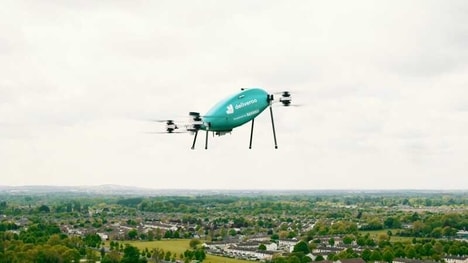
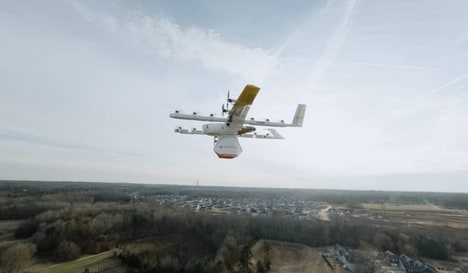
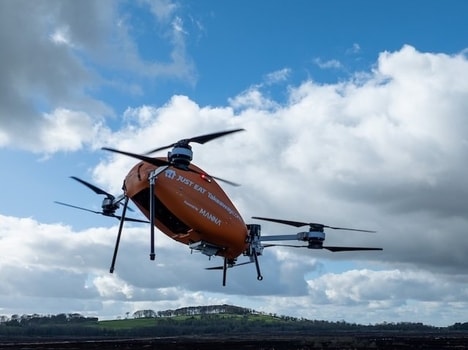
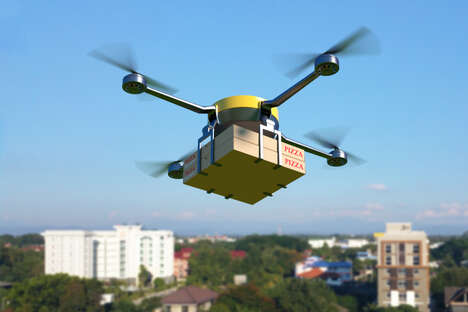
Uber has revealed the new design for its food delivery drones. Most notably the new design has six rotors, which will help the drone go from take-off to flight. Uber currently has the food delivery drones scheduled for testing in 2020, where the drones will deliver food for Uber Eats. The drones have passed Uber's design review process, and have also received approval from the Federal Aviation Administration.
Another important design feature is rotating wings, which are more often seen in flying car designs than drones. Uber stated it decided to include rotating wings because the wings can help for take-off and landing, then be rotated during flight.
The drones will have a range of 18 miles, and a max speed of 30 mph.
Image Credit: Uber
Why This Trend Is Growing
- Rotating Wings
- Rotating wings offer disruptive innovation opportunities in the drone industry, enabling improved take-off, landing, and flight capabilities.
- Food Delivery Drones
- The rise of food delivery drones presents disruptive innovation opportunities in the food and beverage industry, revolutionizing the way food is delivered.
- Flying Car Designs
- The inclusion of rotating wings in drones opens up disruptive innovation opportunities in the transportation industry, bridging the gap between drones and flying cars.
Industries Being Reshaped
- Drone Industry
- The incorporation of rotating wings in delivery drones creates disruptive innovation opportunities within the drone industry, improving flight efficiency and safety.
- Food and Beverage Industry
- The utilization of food delivery drones poses disruptive innovation opportunities in the food and beverage industry, streamlining and expediting the delivery process.
- Transportation Industry
- The integration of rotating wings in drones introduces disruptive innovation opportunities in the transportation industry, offering new possibilities for urban mobility and logistics.