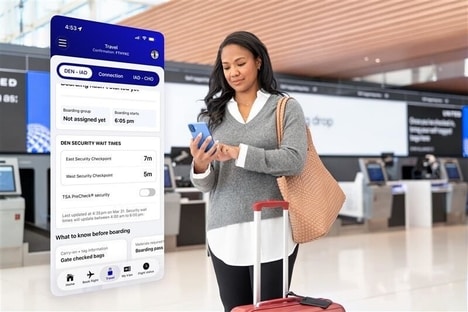
American Airlines is giving passengers more flexibility when flights are delayed or cancelled. Its Dynamic Rebooking tool now lets travellers request standby on an earlier flight through the airline’s app or website, without giving up a later flight they have already confirmed. The free option took effect this week and can be used without contacting an airline employee.
If an earlier seat cannot be confirmed straight away, the app may show up to three earlier nonstop flights as standby options. Travellers can only have one active standby request at a time, but their original confirmed booking stays in place while they wait. If a seat becomes available and the request clears, the booking is updated.
The change gives passengers another way to get moving sooner during travel disruptions, while keeping their confirmed flight as a fallback. It also brings standby requests into the same self-service tool travellers already use to manage rebooking.
Image Credit: View from the Wing, American Airlines
Key Themes Behind This Trend
- Self-service Disruption Recovery
- Airlines are expanding app-based rebooking tools that reduce agent dependency and create openings for automated, passenger-controlled travel recovery experiences.
- Risk-free Standby Flexibility
- Keeping a confirmed itinerary while joining an earlier standby list introduces a lower-risk model for disruption management that could reshape customer expectations across mobility services.
- Real-time Flight Optionality
- Live availability and standby recommendations within digital channels point to new personalization opportunities for travel platforms managing uncertainty and capacity.
Where This Applies
- Air Travel
- Passenger airlines can use dynamic standby and rebooking features to differentiate service quality during delays and cancellations.
- Travel Technology
- Rebooking platforms and airline apps have room to integrate predictive availability, automated queues, and disruption-aware customer interfaces.
- Customer Experience Software
- Service systems that preserve fallback options while offering faster alternatives could influence how brands design recovery journeys in high-stress moments.