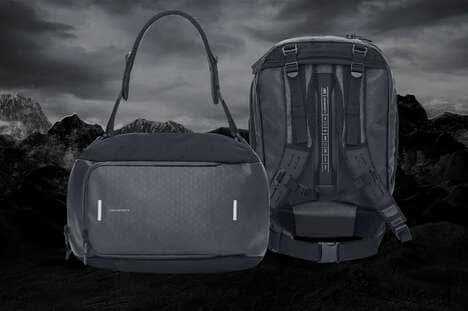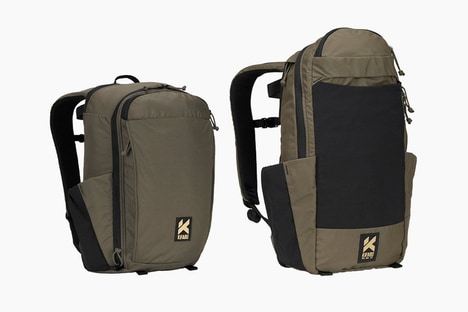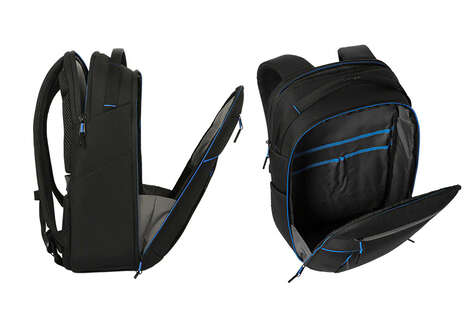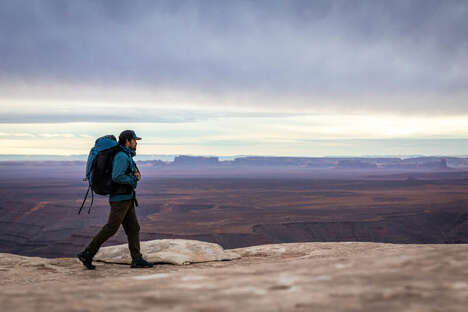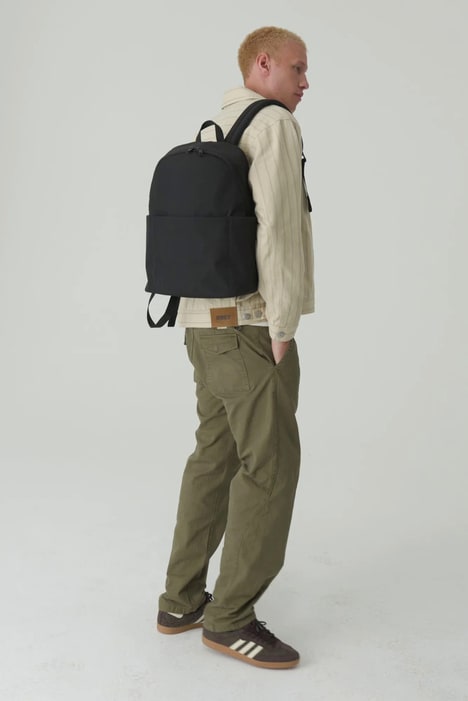
The Fjällräven Tree-Kånken backpack is a newly created version of the iconic namesake accessory that will provide consumers with an eco-conscious alternative. The backpack weighs in at less than a pound and is composed entirely using a bio-based fabric that's achieved using 100% lyocell that has been derived from spruce and pine trees in the brand's native northern Sweden location. This enables the backpack to be a far more sustainable alternative to the original that sees 91% of the water used in the construction to be recycled as well as 99.6% of the chemicals.
The Fjällräven Tree-Kånken backpack is finished with a solvent and fluorocarbon-free wax that gives the accessory a resiliency that will show the signs of wear over time. The backpack will be priced at around $160 and will be available for purchase starting in August 2021.
Key Themes Behind This Trend
- Bio-based Fabric
- Brands can explore using bio-based fabrics like lyocell derived from trees to create more sustainable products.
- Eco-conscious Accessories
- Creating eco-conscious versions of iconic accessories like backpacks can appeal to consumers looking for sustainable options.
- Green Fashion
- The fashion industry can embrace sustainability through the development of environmentally-friendly products like the Fjällräven Tree-Kånken backpack.
Where This Applies
- Fashion
- The fashion industry can incorporate sustainable materials and processes to reduce the environmental impact of products.
- Outdoor Gear
- Outdoor gear brands can prioritize sustainable materials and production methods to appeal to environmentally-conscious consumers.
- Retail
- Retailers can expand their offerings to include more sustainable products like the Fjällräven Tree-Kånken backpack to meet growing consumer demand for eco-friendly options.