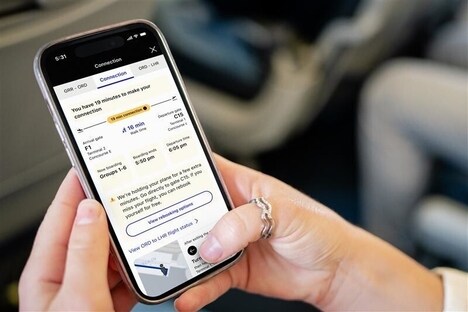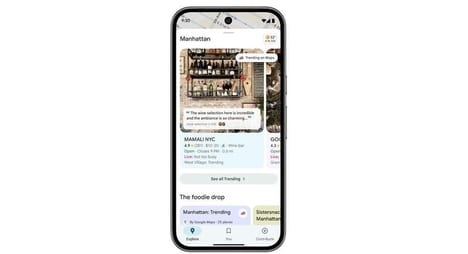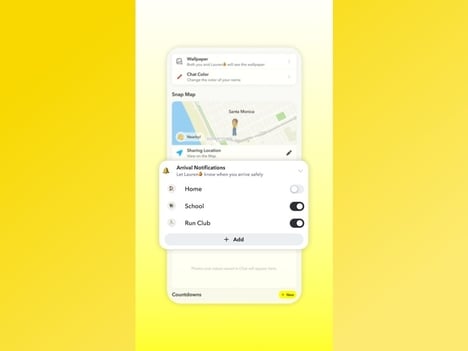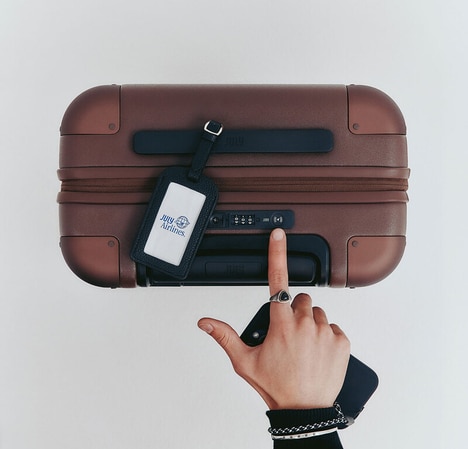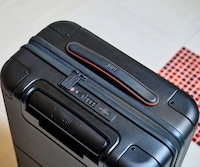
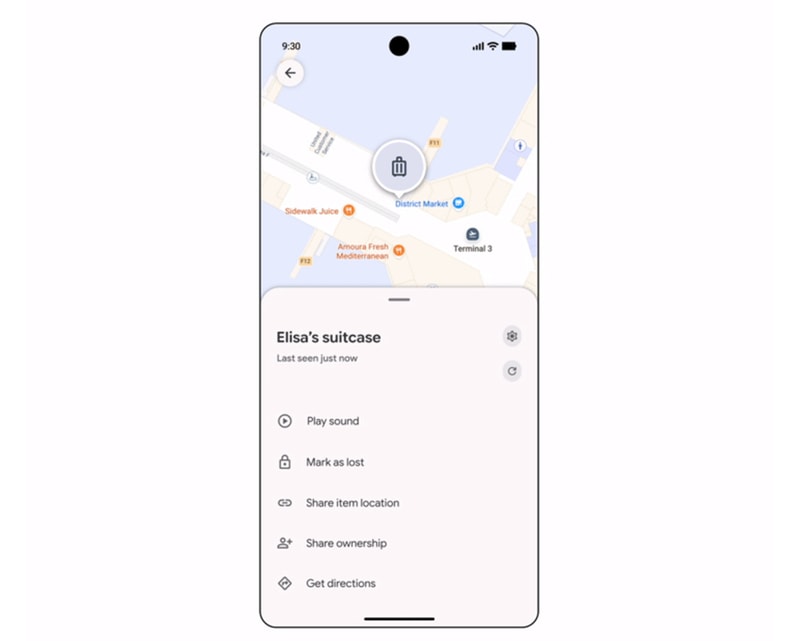
Google introduced a Find Hub sharing feature that lets Android users generate a secure URL tied to a compatible tracker tag attached to luggage, featuring automatic expiration and re-disabling when an item returns. The capability launched as part of Google’s March Pixel Drop and extends Find Hub’s location data to participating carriers.
Participating airlines, including members of the Lufthansa Group, Air India, China Airlines, Saudia, Scandinavian Airlines and Turkish Airlines, can accept the shared link pasted into their apps or websites so ground teams can follow a bag as it moves. The link expires after seven days for security, and Google said sharing is disabled once the phone detects the luggage is back with its owner.
This matters because it bridges personal tracking hardware with airline recovery workflows, speeding reunions and reducing manual search steps for travelers and ground staff.
Image Credit: Google
What's Driving This Trend
- Passenger-owned Tracking Integration
- Personal tracker tags linked to mobile accounts are creating seamless handoffs between travelers and airline recovery systems, reducing reliance on manual locating processes.
- Time-limited Secure Location Sharing
- Expiring, phone-detected share links are introducing ephemeral access models that balance real-time visibility with privacy and security controls.
- Platform-to-airline Data Extensions
- OS-level location features being extended into carrier apps are fostering deeper platform partnerships that embed consumer device telemetry into operational workflows.
Who This Affects Most
- Airline Operations
- Ground handling and baggage recovery workflows are poised to be reshaped by direct feeds from passenger-owned trackers, altering staffing and process models.
- Consumer Electronics
- Tracker-tag manufacturers and smartphone vendors are positioned to converge on interoperable standards that shift value toward integrated hardware-software-service bundles.
- Travel Insurance
- Claims and reimbursement models could evolve as time-stamped, device-derived location records provide new types of evidence for loss, delay, and recovery events.