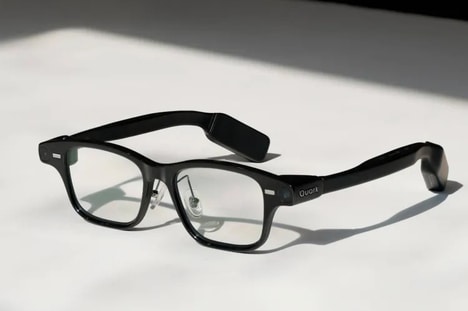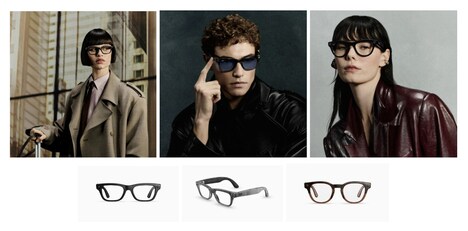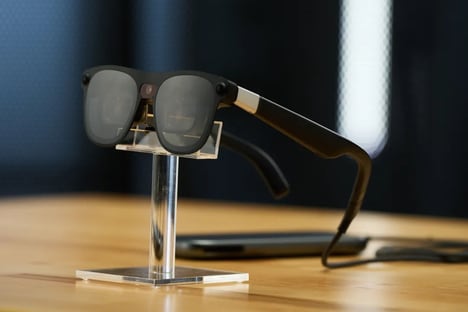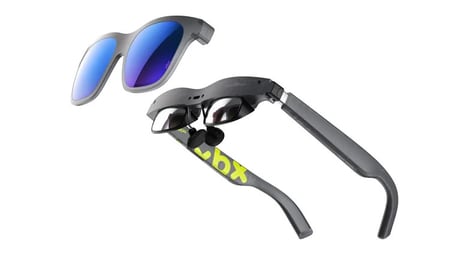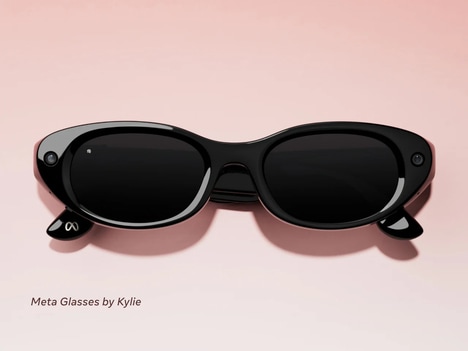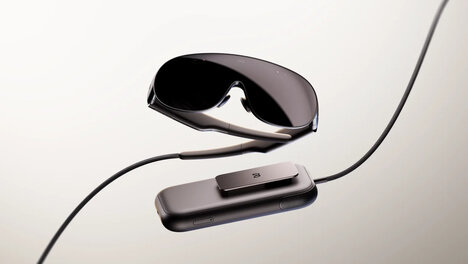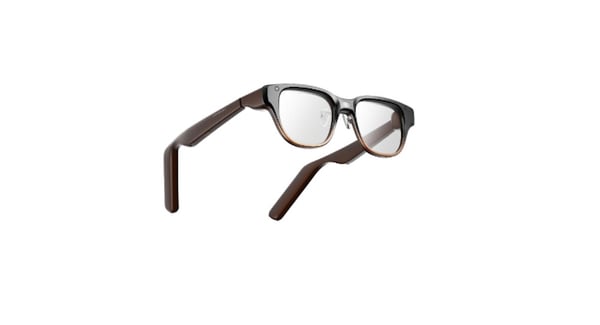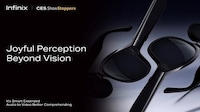

Alibaba is expanding its device push with the Qwen N1 series, AI glasses tied to the Qwen assistant and aimed at Chinese shoppers. The frames give users another way to reach Qwen through a wearable format inside Alibaba's broader gadget effort.
Pricing is the clearest signal, with the Qwen N1 line set at $450 and matched to Meta's Ray-Ban smart glasses rather than a bargain slot. It arrives as part of a wider Qwen expansion that already includes voice shopping and Bose-built earbuds, giving Alibaba more than one route into AI use.
At $450, the Qwen N1 series shifts the pitch from low price to function, asking Chinese buyers to weigh software features as much as the frame itself. Matching Meta on price while tying the glasses to Qwen widens Alibaba's full-stack strategy across hardware and assistant services.
Image Credit: Alibaba
Key Themes Behind This Trend
- Assistant-centric Wearables
- AI glasses tied to proprietary assistants create new value through continuous access, contextual services, and platform-specific software experiences.
- Premium AI Hardware
- Price parity with global smart glasses signals a market shift where feature depth and ecosystem integration can outweigh low-cost positioning.
- Full-stack Device Ecosystems
- Combining glasses, earbuds, voice shopping, and AI assistants gives technology firms more control over consumer touchpoints and data flows.
Where This Applies
- Consumer Electronics
- Wearable AI devices introduce fresh competition around integrated hardware, embedded assistants, and differentiated user interfaces.
- E-commerce
- Voice-enabled and glasses-based shopping experiences extend online retail into hands-free, ambient, and context-aware purchasing moments.
- Artificial Intelligence
- Assistant platforms embedded across multiple device formats deepen reliance on multimodal AI, personalization, and real-time interaction layers.