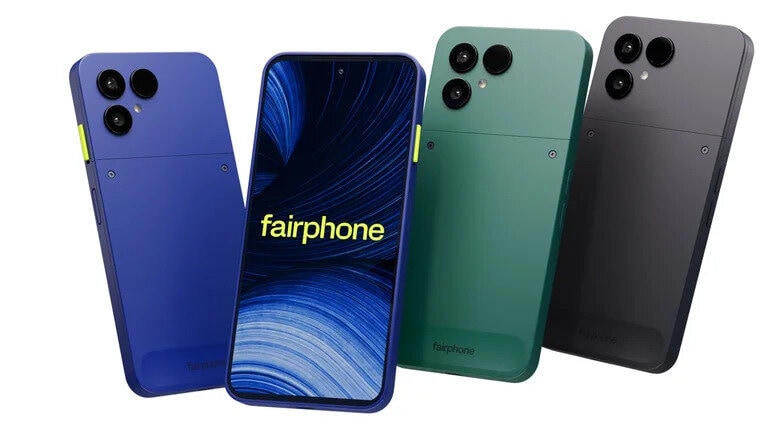
The Fairphone Gen. 6+ smartphone is the company's first handset to be officially launched in the US as part of its initiative to expand access and prioritize sustainable connectivity.
The smartphone is powered by a Qualcomm Snapdragon 7s Gen 4 chip with 12GB of RAM and 256GB of onboard storage that can be expanded via microSD. The smartphone sports a 6.3-inch OLED screen with a 120Hz refresh rate and a triple-lens camera system on the rear that puts the 50MP Sony Lytia 700C sensor in the spotlight.
The Fairphone Gen. 6+ is made out of more than 50% fair or recycled materials by weight and is being positioned by the brand as the only full e-waste-neutral smartphone on the US market.
Image Credit: Fairphone
What's Driving This Trend
- E-waste-neutral Devices
- Certified circular hardware models create differentiation for electronics brands as consumers and enterprises seek lower-impact alternatives to conventional smartphones.
- Long-life Software Support
- Extended update commitments reshape device value by reducing replacement cycles and strengthening trust in sustainable mobile technology.
- Modular Sustainable Smartphones
- Repairable and material-conscious handset designs introduce new competitive space around longevity, ownership transparency, and reduced electronic waste.
Who This Affects Most
- Consumer Electronics
- Sustainability-led product engineering presents growth potential for brands developing premium devices with recycled materials and longer usable lifespans.
- Mobile Telecommunications
- Carrier and retail partnerships around ethical smartphones can expand access to greener connectivity options in mainstream device markets.
- Circular Economy
- E-waste-neutral certification and recycled-material sourcing support emerging business models tied to responsible manufacturing, refurbishment, and device recovery.