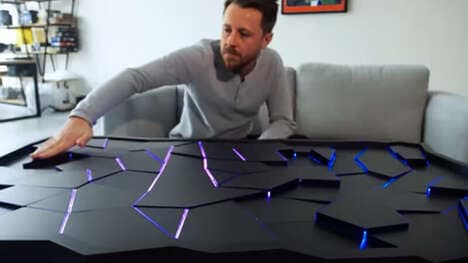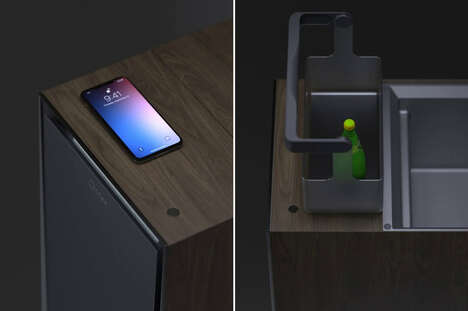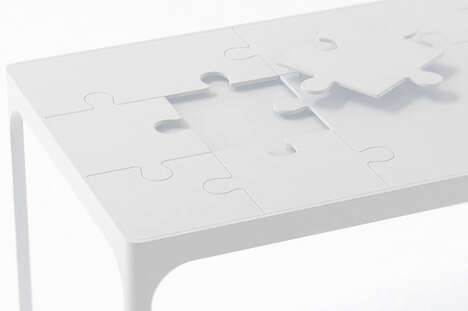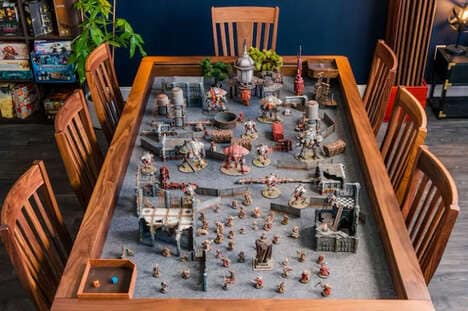
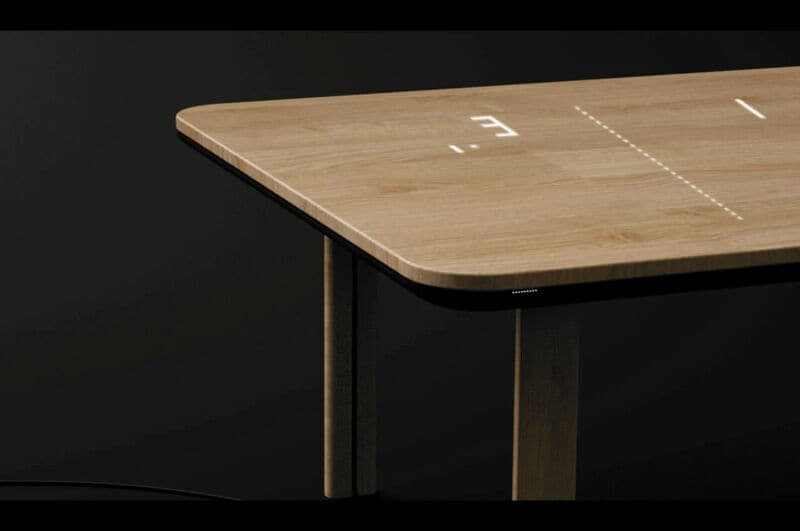
Smart furniture often puts displays in the spotlight, but the conceptual 'Etto' table is designed in a different direction to highlight an unobtrusively connected functionality.
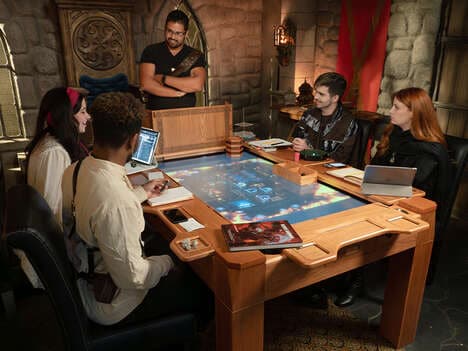
Designed by Dan Nigri, the table features a simple wooden construction that would appear quite unassuming in the modern home. The tabletop, however, offers access to a number of games that are perfect for family members to play after a meal. The touchscreen design also works effectively as a project board or a calendar to help couples or families handle their day-to-day schedule.
The conceptual 'Etto' table highlights a subtly smart construction that strikes a balance between function and form. The furniture piece also observes a need amongst consumers to disconnect from technology, which is made easy thanks to the display that disappears when not in use.
Why This Trend Is Growing
- Subtle Smart Furniture
- Designing furniture with a discreetly connected functionality that strikes the balance between form and function.
- Unobtrusive Technology Integration
- Integrating technology in furniture while keeping the design unassuming and elegant.
- Multi-functional Furniture Design
- Creating furniture with multiple functionalities, like access to games, calendars, and project boards, to cater to customers' needs.
Industries Being Reshaped
- Furniture Design
- Creating subtly smart furniture with unobtrusively connected functionality, which cater both to consumers' tech and decor needs, offers an opportunity for innovating furniture designers to stand out in the market.
- Smart Home Technology
- Investing in researching and developing smart home technologies that can seamlessly integrate into home furniture can be a disruptive innovation and could advance the smart home industry to the next level.
- Family Entertainment
- Developing games to be integrated into furniture can create new entertainment possibilities and opportunities for businesses to cater to family members' needs and preferences.