For Ted's 'The Way We Work' series, author and economist Emily Oster is tackling the emotionally driven topic of when parents should go back to work.
The speaker begins the talk by reminding the audience that on top of there being no right or wrong answer, there's a lot of conflicting advice that can make it nearly impossible for a parent to feel confident in their choices. A parent worries about neglecting their child's needs, about getting swept up in corporate life, or about sacrificing an income stream. While the speaker acknowledges that it's an incredibly emotional decision, she also uses her background as an economist to use data to help parents better understand their options -- breaking the decision down to three simple questions.
Image Credit: TED
What Makes This Trend Stand Out
- Emotion-driven Decision Making
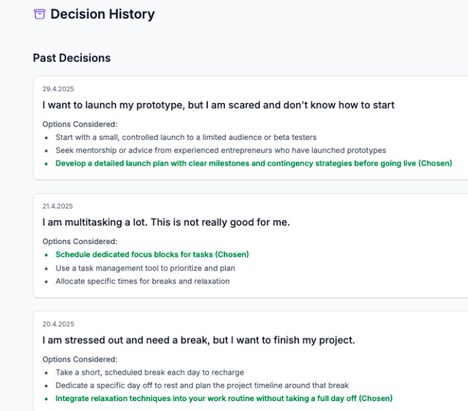
- Consider innovating tools or technologies that help individuals make emotionally driven decisions with more confidence and clarity.
- Conflicting Advice
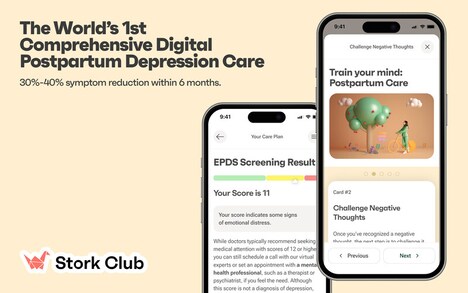
- Explore disruptive solutions that help aggregate and synthesize conflicting advice to provide parents with more coherent and actionable guidance.
- Data-driven Decision Making
- Identify opportunities to develop data-driven tools or platforms that help parents analyze and understand their options when making decisions about going back to work.
Sectors Adopting This
- Parenting and Childcare
- There is potential for innovation within parenting and childcare industries to provide support and resources for parents making decisions about going back to work.
- Corporate Services and Human Resources
- Disruption opportunities lie within corporate services and human resources industries to better address the needs of parents returning to work and provide them with more flexible and supportive options.
- Data Analytics and Insights
- The data analytics and insights industry can seize the opportunity to create tools and platforms that empower parents with data-driven decision-making processes.