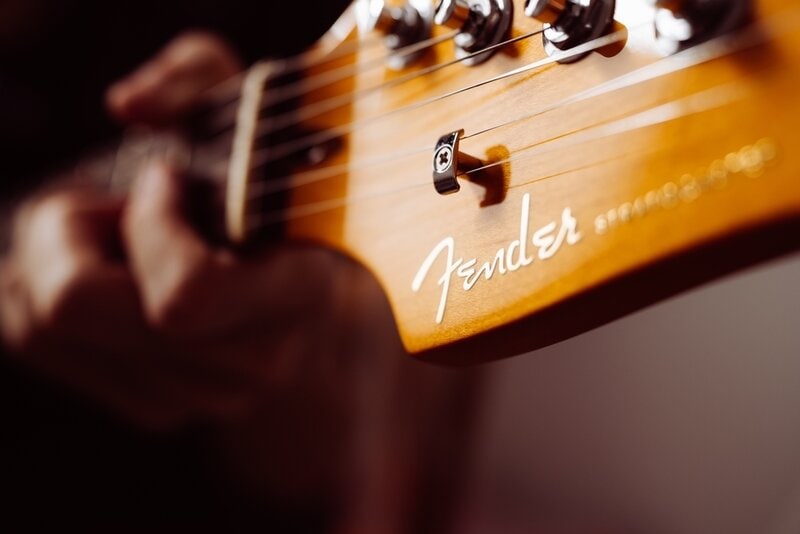
Fender is rebuilding its website so players can learn the differences between instruments before deciding what to buy. The guitar, bass and amp maker is shifting the site away from a straight checkout path and toward a brand history hub with product context woven in.
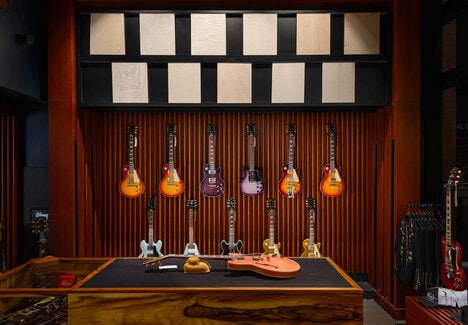
The lineup now spans five levels, and sections such as Vintage and the Custom Shop pair audio, video and artist tie-ins with each instrument. That gives visitors a clearer sense of whether they want period-inspired details with modern electronics or a one-off build aimed at the top end of the brand.
For shoppers, this means Fender's premium push starts with comparison and education, not a quick trip to checkout. As electric guitars above $1,500 continue to gain ground, a brand page now has to explain sound, heritage and fit, not just show a price.
Image Credit: Shutterstock/Wachiwit
Key Themes Behind This Trend
- Heritage-led Commerce
- Brand storytelling layered into shopping journeys creates room for premium products to be differentiated through legacy, craftsmanship, and cultural context rather than price alone.
- Education-first Product Discovery
- Interactive comparisons, media-rich explainers, and expert guidance can reduce purchase uncertainty while positioning complex products as informed investments.
- Tiered Premium Positioning
- Clear product-level frameworks help consumers understand incremental value across ranges, opening new ways to trade shoppers up through features, provenance, and exclusivity.
Where This Applies
- Musical Instruments
- Instrument makers can use digital education to translate sound, build quality, and artist association into stronger justification for high-end purchases.
- E-commerce
- Retail platforms that prioritize contextual learning alongside transactions can reshape conversion models for considered purchases with longer decision cycles.
- Luxury Goods
- Premium brands have an opportunity to connect heritage content with product selection, making exclusivity and craftsmanship more tangible in digital channels.